Waist Trainer vs Corset: Which is Truly Better for You?
Are you confused about the difference between a waist trainer vs a corset? You are not alone. The modern market has blurred the lines between historical garments and new fitness fads. This creates a lot of consumer uncertainty. This guide will cut through the noise. We will compare waist trainers, corsets, and shapewear in detail. We will use medical research to debunk myths about health and fat loss. By the end, you will know exactly which tool is right for your goal. And where does regular shapewear fit into the **waist trainer vs shapewear** debate? Let’s find out.
Chapter 1: Definitions – Understanding the Three Tools
First, we need clear definitions. What are we actually talking about? These three garments serve different purposes.
What is a Waist Trainer?
A waist trainer is a modern compression garment. It is not a historical piece. It is a product of 21st-century fitness and aesthetic culture, often promoted on social media. It is typically made from latex, neoprene, or strong elastic fabric. It has flexible steel or plastic bones sewn in. The goal is temporary waist slimming during wear. Many people use it to enhance sweating during exercise. Some believe it can “train” your waist to be smaller over time through consistent use. Its main job is compression and thermal activity.
Source: Analysis of product intents from major brand descriptions and reviews, as seen in publications like Good Housekeeping. URL
What is a Corset?
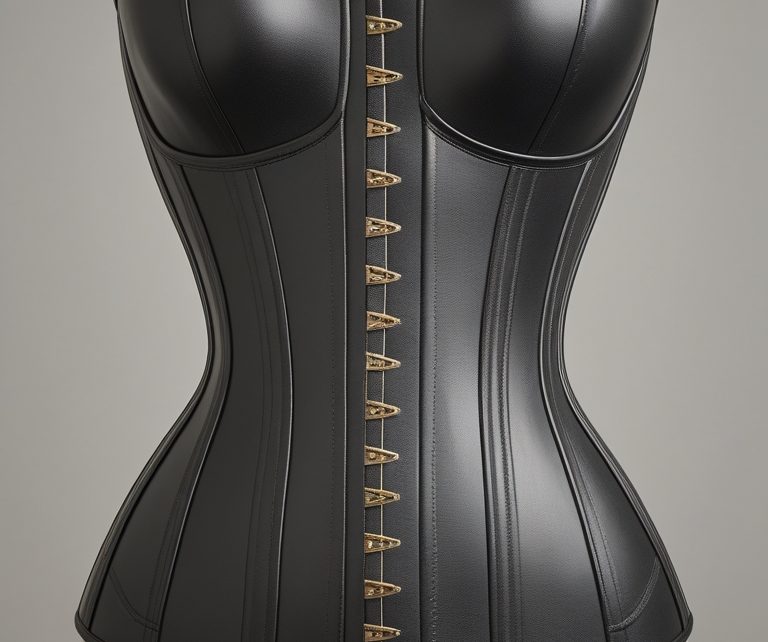
A corset is a structured, foundational garment. It is designed to mold the torso into a specific silhouette. It has a long history, used for centuries for fashion, posture, and social status. It is built with strong, non-stretch fabric like coutil. It uses rigid, parallel steel boning (spring or spiral steel). It fastens with a laced back. This lacing is key for adjustable, strong tension. The primary goal is dramatic, active silhouette alteration. With dedicated, long-term practice (called “tight-lacing”), it can lead to semi-permanent waist reduction. This happens through tissue displacement and potential rib cage adaptation. It is a tool for molding, not just squeezing.
Source: Construction and purpose details from authoritative sources like the Victoria and Albert Museum. URL
What is Shapewear?
Shapewear is a broad category of lightweight, elastic undergarments. Think bodysuits, control shorts, or smoothing camisoles. It is made from materials like nylon and spandex (Lycra). Its primary goal is temporary smoothing and contouring. It minimizes the appearance of bulges under a specific outfit. It creates a seamless line. The key difference? It offers compression but has no rigid structural boning. It does not change your shape. It just smooths the shape you already have for a short time.
Source: Industry standard definitions from resources like the Council of Fashion Designers of America (CFDA). URL
Chapter 2: Head-to-Head Comparison: Waist Trainer vs. Corset
Now, let’s put them side by side. This direct comparison will show you the core differences in design, function, and result.
| Feature | Waist Trainer | Corset |
|---|---|---|
| Structure & Feel | Flexible, elastic-based. Feels like a very tight, stiff band. | Rigid, fabric-based. Feels like a strong, unmoving shell. |
| Core Materials | Latex, Neoprene, Elastic, Plastic bones. | Coutil, Brocade, Steel bones. |
| Closure System | Hook-and-eye or zip front (fixed tension). | Laced back (key for adjustable, precise tension). |
| Primary Effect | Temporary compression and slimming. Squeezes existing tissue. | Active silhouette alteration/molding. Reshapes and redistributes tissue. |
| Intended Use & Duration | Short-term (a few hours). For exercise, daily wear under clothes. | Can be worn for extended periods for dedicated training or fashion. |
| Impact on Mobility | Moderate. Allows for some bending and movement. | Low. Restricts bending at the waist significantly. |
The Key Takeaway: The core difference is simple. A waist trainer is a compression garment that squeezes. A corset is a structural garment that molds. One is for a temporary effect, the other for deliberate shape change. So, when asking “waist trainer vs corset which is better,” the answer depends entirely on your desired effect.
Chapter 3: The Truth About Fat Loss and Health
This is the most important chapter. We will tackle the big myth with clear science.
Does wearing a waist belt help lose belly fat?
The direct answer is no. Waist trainers, corsets, and any other compression garment do not cause fat loss. They cannot “melt” fat or “boost metabolism” in a meaningful way. Fat loss only happens through a sustained calorie deficit (diet) and increased energy expenditure (exercise).
The Science and Illusion Explained:
- Temporary Water Loss: Compression increases sweating in the area. This leads to temporary water weight loss. You will regain this weight as soon as you rehydrate. It is not fat loss.
- The Redistribution Illusion: The garment squeezes and redistributes soft tissue (fat, skin, organs). This creates a smoother, smaller-looking waist only while the garment is worn. Once you take it off, your body returns to its natural shape.
- Actual Fat Loss Mechanism: Your body burns stored fat for energy when you consume fewer calories than you burn. A piece of clothing cannot create this complex biological process.
Potential Health Risks & Safe Practices
Using these tools incorrectly can be harmful. Know the risks.
- Organ Compression: Can displace digestive organs, leading to acid reflux (GERD), heartburn, and constipation.
- Impaired Breathing: Over-tightening restricts diaphragm movement. This reduces lung capacity and oxygen intake. This is especially dangerous during exercise.
- Skin Problems: Moisture, heat, and friction can cause chafing, rashes, and fungal infections.
- Muscle Weakness: If your core muscles rely on the garment for support, they can weaken and atrophy from lack of use.
Safe Practice Guidelines:
- Never exercise in a rigid corset.
- The garment should never cause pain, numbness, or breathing restriction.
- Limit wear time to 1-2 hours initially. Never sleep in one.
- Stay hydrated, especially when wearing a waist trainer that makes you sweat.
- Listen to your body and remove the garment immediately if you feel dizzy or unwell.
Sources:
– Cleveland Clinic on waist trainer dangers. URL
– American Council on Exercise (ACE) statement on spot reduction. URL
Chapter 4: Corsets vs. Bras – A Support System Showdown
People often ask: Are corsets healthier than bras? This is a false equivalence. They are different tools for different jobs. “Healthier” depends entirely on correct fit and intended use.
Comparing Support Mechanics:
- Bra’s Function: Designed for lift and separation of breast tissue. A well-fitted bra supports from underneath (with the band and cups). It aims to reduce strain on the back, shoulders, and neck ligaments.
- Corset’s Function: Designed for redistribution of torso volume. It supports the back through rigid posture alignment. It can spread the weight of the bust over a larger torso area. This may relieve pressure from bra straps on the shoulders.
Posture Impact:
A properly fitted corset can enforce an upright posture. It physically limits your ability to slouch. However, a poorly fitted corset can cause severe damage to your ribs, spine, and muscles. Modern bras are generally not designed for postural correction, though some posture bras attempt this.
The Verdict: For daily, practical breast support, a professionally fitted modern bra is the healthier and safer choice for most people. A corset offers specific, alternative support for fashion or waist training. It is not a functional replacement for a bra. To use a corset safely, expert fitting is non-negotiable.
Source: Insights from lingerie fitting experts and orthopedic principles on support. URL
Chapter 5: How to Choose – A Decision Matrix for Your Goal
The choice isn’t about “best.” It’s about “best for your specific intent.” Use this simple guide.
If Your Goal is INSTANT SMOOTHING under a tight dress or outfit:
Choose: Shapewear.
Why? It is designed for temporary, seamless contouring without dramatic reshaping. It hides lines and bulges for a sleek look under clothing.
If Your Goal is MODERATE DAILY SLIMMING and enhanced sweating during workouts:
Choose: A Waist Trainer.
Why? It provides noticeable compression and thermal activity for a temporary slimming effect. This is the practical answer to the waist trainer vs shapewear question for daily wear. Remember: manage expectations. It doesn’t burn fat. The effect lasts only while you wear it.
If Your Goal is DRAMATIC SILHOUETTE ALTERATION for fashion, costume, or dedicated waist training:
Choose: A properly fitted, steel-boned Corset from a reputable maker.
Why? It is the only tool designed to actively mold your torso shape over time. This requires significant research, investment, and a slow acclimation process called “seasoning.”
Key Final Factors to Consider:
- Budget: Quality corsets are a high investment. Waist trainers and shapewear vary widely in price.
- Comfort Tolerance: Corsets require an adaptation period. Waist trainers are more flexible but can still be very tight.
- Lifestyle: Can you move and breathe as needed for your daily tasks? Corsets restrict bending; waist trainers are more forgiving.
Conclusion & Final Recommendations
Let’s summarize what we’ve learned in this ultimate waist trainer vs corset guide.
- Waist trainers compress for a temporary slimming effect, often linked to fitness.
- Corsets mold for active, dramatic silhouette alteration, rooted in history.
- Shapewear smoothes for instant contouring under clothes.
- No garment causes fat loss. Sustainable body change comes from nutrition and exercise.
- Neither corsets nor bras are universally “healthier.” Perfect fit is the most critical factor for health and safety.
There is no universal winner in waist trainer vs corset. The best choice aligns with your specific goal, comfort, and commitment level.
Final, Crucial Advice:
- For a Corset: We strongly recommend a consultation with a professional corsetiere for a custom or expertly fitted garment. Do not buy a cheap, costume corset for waist training.
- For a Waist Trainer/Shapewear: Get accurate body measurements. If you are between sizes, size up for safety and comfort. Always start with only 1-2 hours of wear.
The most sustainable and healthy shaping comes from a balanced lifestyle of good food and enjoyable movement. Use these garments as tools for confidence in your clothing, not as substitutes for your health.