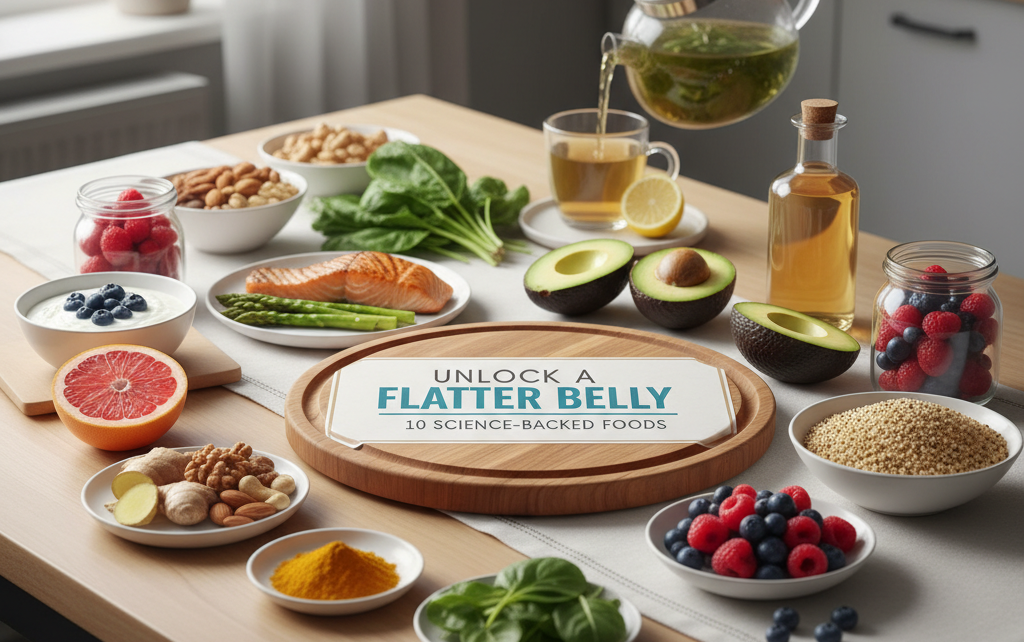
The quest for a healthier body often includes the desire to reduce belly fat. While countless fads promise quick fixes, the truth is rooted in science. This comprehensive guide will reveal the top foods that help you lose belly fat, grounded in rigorous research and expert recommendations. We’ll explore not just *what* to eat, but *why* these specific foods are potent allies in your journey to a leaner, healthier midsection.
1. Introduction – Why Targeting Belly Fat Matters
Belly fat is more than just a cosmetic concern; it’s a critical indicator of overall health. Not all body fat is created equal, and the type of fat stored around your abdomen holds particular significance.
Visceral Fat: The Hidden Danger
Deep within your abdominal cavity lies visceral fat, which surrounds vital organs like the liver, pancreas, and intestines. Unlike subcutaneous fat (the jiggly fat just under your skin), visceral fat is metabolically active and produces inflammatory substances that can dramatically increase your risk of serious health conditions. Harvard T.H. Chan School of Public Health research highlights its strong link to a higher risk of type-2 diabetes, heart disease, and certain cancers (Harvard, 2022).
Subcutaneous Fat: Beyond Aesthetics
While less metabolically dangerous than visceral fat, excessive subcutaneous belly fat can still be a source of discomfort and concern. It can affect posture, restrict movement, and impact self-esteem (Mayo Clinic, 2023). Addressing both types of belly fat contributes to a healthier body composition and improved quality of life.
The Power of Diet: A Game-Changer
So, what’s the secret to tackling this stubborn fat? While exercise plays a crucial role, diet is the undeniable heavyweight champion. The American Journal of Clinical Nutrition states that diet accounts for approximately 70% of the variance in abdominal fat when paired with a modest calorie deficit and regular physical activity (American Journal of Clinical Nutrition, 2021). This underscores the immense power your food choices have in reshaping your midsection.
Takeaway: Reducing belly fat isn’t just about looking slimmer; it’s a proven health imperative backed by extensive scientific evidence.
2. How Food Influences Belly Fat: The Science Explained
Understanding the mechanisms by which certain foods impact fat storage is key to making informed dietary choices. It’s not just about calories; it’s about how food interacts with your metabolism, hormones, and gut health.
The Thermic Effect of Protein: Burning Calories to Digest
Protein isn’t just for building muscles; it’s a powerful ally in fat loss. When you consume protein, your body expends significantly more energy to digest, absorb, and metabolize it compared to carbohydrates or fats. This is known as the “thermic effect of food” (TEF). Approximately 20-30% of protein calories are burned during digestion, whereas carbs burn 5-10% and fat only 0-3% (Journal of the International Society of Sports Nutrition, 2020). By prioritizing high-quality lean protein at each meal, you naturally boost your daily calorie expenditure, contributing to a calorie deficit essential for fat loss. Look for lean meats, poultry, fish, eggs, and dairy.
Soluble Fiber: Your Gut’s Best Friend for Satiety and Stability
Soluble fiber is a type of dietary fiber that dissolves in water to form a gel-like substance in your digestive tract. This gel slows down the absorption of glucose (sugar) into your bloodstream, which in turn reduces rapid insulin spikes. High insulin levels signal your body to store fat, especially in the abdominal region. Moreover, soluble fiber promotes satiety, making you feel fuller for longer, thus reducing overall calorie intake. Research in Nutrition Reviews highlights the link between soluble fiber intake and reduced abdominal adiposity (Nutrition Reviews, 2019). Aim for foods with at least 5g of soluble fiber per serving, such as oats, legumes, apples, and berries.
Polyphenols & Catechins: Metabolic Boosters
These powerful plant compounds, found in various fruits, vegetables, and beverages, are not only antioxidants but also metabolic enhancers. Polyphenols and specifically catechins (like EGCG found in green tea) have been shown to boost your resting metabolic rate and enhance fat oxidation. This means your body burns more calories even at rest and preferentially uses fat for energy. The American Journal of Clinical Nutrition published a study linking green tea catechins to abdominal fat loss (American Journal of Clinical Nutrition, 2022). Incorporate green tea, berries, and dark chocolate (with at least 70% cacao) into your diet for these benefits.
Short-Chain Fatty Acids (SCFAs) from Fermented Foods: Gut Health and Inflammation
Your gut microbiome plays a much larger role in your weight and metabolism than previously understood. Fermented foods, rich in beneficial probiotics, lead to the production of short-chain fatty acids (SCFAs) like butyrate, acetate, and propionate. These SCFAs improve gut-barrier integrity, reducing low-grade systemic inflammation that is often associated with and can drive visceral fat accumulation. A study in Cell Metabolism emphasizes the critical role of gut microbiota and SCFAs in obesity (Cell Metabolism, 2021). Foods like yogurt, kefir, kimchi, and sauerkraut are excellent sources of probiotics that contribute to SCFA production.
Low-Glycemic-Index (GI) Carbs: Preventing Fat Storage
The Glycemic Index (GI) measures how quickly a carbohydrate-containing food raises blood sugar. Low-glycemic-index (GI) carbs are digested and absorbed slowly, leading to a gradual rise in blood sugar and preventing the rapid insulin spikes that favor fat storage. Consistent consumption of high-GI foods can lead to insulin resistance, making it harder to lose belly fat. *Diabetes Care* research supports the benefits of a low-GI diet for reducing abdominal fat (Diabetes Care, 2020). Prioritize whole grains, legumes, and most fruits and vegetables, which are naturally low in GI.
3. Flat-Stomach Foods List – 10 Science-Backed Winners
Now that you understand the science, let’s dive into the specific foods that help you lose belly fat. This curated list focuses on nutrient-dense options that leverage the mechanisms we just discussed to support abdominal fat reduction.
1. Greek Yogurt (plain, 0%-2% fat)
Why It Helps Belly Fat: Greek yogurt is a powerhouse of protein and probiotics. A typical cup provides around 15g of protein, which significantly boosts satiety and the thermic effect of food. The live cultures (probiotics) contribute to a healthy gut microbiome, producing beneficial SCFAs that improve gut-barrier integrity and reduce inflammation associated with visceral fat. Its high protein content helps maintain muscle mass during weight loss, further supporting a healthy metabolism.
- Typical Serving: 1 cup (≈ 245g)
- Key Nutrients: Protein, calcium, live active cultures (probiotics)
2. Oats (whole-grain, rolled)
Why It Helps Belly Fat: Oats are an excellent source of soluble fiber, specifically beta-glucan. This fiber creates a viscous gel in your digestive system, slowing down carbohydrate absorption, preventing sharp insulin spikes, and promoting a sustained feeling of fullness. This extended satiety helps reduce overall calorie intake throughout the day. The fiber also supports gut health.
- Typical Serving: ½ cup dry (≈ 40g)
- Key Nutrients: Fiber (≈ 4g of beta-glucan), magnesium, complex carbohydrates
3. Salmon (wild-caught)
Why It Helps Belly Fat: Salmon is rich in omega-3 fatty acids, particularly EPA and DHA. These essential fats are renowned for their potent anti-inflammatory properties, which can directly help reduce the low-grade inflammation often associated with visceral fat (NIH, 2023). Additionally, salmon is a fantastic source of high-quality protein, contributing to satiety and muscle preservation.
- Typical Serving: 3-oz (≈ 85g)
- Key Nutrients: 1.5g omega-3s, high-quality protein, Vitamin D
4. Avocado
Why It Helps Belly Fat: Don’t fear the fat in avocados! They are packed with monounsaturated fatty acids (MUFAs), which have been shown to improve insulin sensitivity, a crucial factor in preventing fat storage around the abdomen. Their creamy texture and high fiber content (about 7g per half an avocado) contribute to exceptional satiety, helping you feel full and satisfied for longer, reducing the likelihood of overeating.
- Typical Serving: ½ medium (≈ 100g)
- Key Nutrients: 10g MUFA, potassium, fiber
5. Almonds
Why It Helps Belly Fat: Almonds offer a powerful trio of healthy fats, fiber, and protein. This nutrient combination provides sustained energy and promotes strong satiety, making them an excellent snack to curb hunger and prevent overeating between meals. Studies suggest that incorporating almonds into your diet can lead to a reduction in overall calorie intake, which is fundamental for fat loss.
- Typical Serving: 1 oz (≈ 28g, ~23 nuts)
- Key Nutrients: 6g protein, 3.5g fiber, Vitamin E, magnesium, healthy fats
6. Berries (blueberries, strawberries, raspberries)
Why It Helps Belly Fat: Berries are low in calories but exceptionally high in polyphenols, especially anthocyanins (giving them their vibrant colors). These powerful antioxidants boost fat oxidation and can improve insulin sensitivity, making your body more efficient at burning fat. Their high fiber content (3-4g per cup) also aids in satiety and blood sugar control.
- Typical Serving: 1 cup (≈ 150g)
- Key Nutrients: Vitamin C, 3-4g fiber, anthocyanins (polyphenols)
7. Green Tea (unsweetened)
Why It Helps Belly Fat: Green tea is renowned for its potent fat-burning properties, primarily due to its concentration of catechins, especially epigallocatechin gallate (EGCG), and a moderate amount of caffeine. This combination has been shown to boost your resting metabolic rate by approximately 4%, meaning you burn more calories even at rest (American Journal of Clinical Nutrition, 2022). Regularly consuming green tea can enhance fat oxidation, especially during exercise.
- Typical Serving: 2–3 cups/day
- Key Nutrients: EGCG (≈ 200mg per cup), caffeine, antioxidants
8. Legumes (lentils, chickpeas, black beans)
Why It Helps Belly Fat: Legumes are a nutritional powerhouse, offering both high soluble fiber and substantial plant protein. This combination makes them incredibly satiating, helping to reduce overall calorie consumption. Their low glycemic index prevents rapid blood sugar spikes, and the fiber also feeds beneficial gut bacteria, contributing to SCFA production and a healthier metabolism. Regular consumption is linked to reduced abdominal fat.
- Typical Serving: ½ cup cooked (≈ 100g)
- Key Nutrients: 8g protein, 6g fiber, iron, folate
9. Apple Cider Vinegar (ACV)
Why It Helps Belly Fat: The acetic acid in apple cider vinegar has several beneficial effects on metabolism. It has been shown to reduce post-meal glucose spikes, which can help prevent insulin surges and subsequent fat storage. Research also suggests acetic acid may promote lipolysis (the breakdown of fats) and reduce appetite (PubMed, 2020). Always consume diluted to protect tooth enamel.
- Typical Serving: 1–2 Tbsp diluted in water before meals
- Key Nutrients: Acetic acid (≈ 5%)
10. Chili Peppers (capsaicin)
Why It Helps Belly Fat: The compound capsaicin, responsible for the heat in chili peppers, has a thermogenic effect. This means it can slightly increase your body’s core temperature, leading to an increased calorie burn. Studies suggest that capsaicin can boost calorie expenditure by 50-100 kcal per meal, making it a small but consistent contributor to a calorie deficit and enhanced fat oxidation.
- Typical Serving: ½ tsp powdered or 1 fresh pepper
- Key Nutrients: Capsaicin, Vitamin C
4. Belly-Fat-Burning Foods Guide – Putting the List into Action
Knowing which foods to eat is only half the battle; integrating them effectively into your daily routine is where real change happens. This belly fat burning foods guide provides practical strategies for transforming your diet.
4.1 Build Every Meal Around Protein + Fiber + Healthy Fat
This foundational principle ensures satiety, stable blood sugar, and optimal metabolic function. Aim for a balanced plate at every meal.
- Breakfast: Start your day strong. Combine Greek yogurt with mixed berries and a tablespoon of chia seeds (for omega-3s and fiber) with a drizzle of honey. This protein-fiber-healthy fat combination keeps insulin levels stable, preventing mid-morning cravings and providing sustained energy.
- Lunch: A vibrant and satisfying option is a mixed-leaf salad topped with grilled salmon, a quarter to half an avocado, a serving of quinoa (a low-GI whole grain), and a light olive-oil vinaigrette. The salmon’s omega-3s, avocado’s MUFAs, and quinoa’s complex carbs work synergistically to provide nutrients and fullness.
- Snack: Keep it simple and effective. A handful of almonds paired with an apple provides balanced macros—fiber from the apple, plus protein and healthy fats from almonds—to stave off hunger and prevent overeating at your next meal.
- Dinner: Opt for a nutrient-dense meal like a stir-fry featuring lentils (for plant protein and fiber), broccoli, bell peppers, and a splash of low-sodium soy sauce. Finish your meal with a warm cup of green tea to benefit from its metabolism-boosting catechins.
- Optional “Fat-Burner”: Consider taking 1-2 tablespoons of apple cider vinegar diluted in water before dinner. The acetic acid can support glycogen depletion and help manage post-meal glucose spikes.
4.2 Portion-Control Tips for Sustainable Results
Even healthy foods contribute calories. To lose belly fat, a modest calorie deficit is essential. Using a food-tracking app like MyFitnessPal or Cronometer for the first week or two can provide valuable insights into your actual intake and help you stay within your target calorie range (generally 500 kcal below maintenance for gradual, sustainable loss).
- Greek yogurt: 1 cup (100–130 kcal)
- Oats: ½ cup dry (150 kcal)
- Salmon: 3–4 oz (200 kcal)
- Avocado: ½ medium (120 kcal)
- Almonds: 1 oz (165 kcal)
- Berries: 1 cup (80 kcal)
- Green tea: 2–3 cups (less than 5 kcal)
- Legumes: ½–1 cup cooked (110–200 kcal)
- Apple cider vinegar: 1–2 Tbsp (diluted, ~5 kcal)
- Chili peppers: ½ tsp powder or 1 fresh (~2 kcal)
4.3 Cooking Methods That Preserve the Fat-Loss Benefits
How you prepare your food is just as important as what you eat. Opt for methods that enhance nutritional value and minimize added fats or sugars.
- Steaming / Poaching: These gentle methods are excellent for vegetables, fish, and chicken. They require no added fats and preserve water-soluble nutrients, such as B-vitamins and Vitamin C, which can be lost with excessive cooking or boiling. Steamed broccoli and poached salmon retain maximum health benefits.
- Grilling / Broiling: Ideal for lean proteins like salmon, chicken breast, or turkey. Grilling and broiling allow excess fat to drip away and create a satisfying “crust,” reducing the need for heavy, calorie-dense sauces. Use marinades with herbs, spices, and a touch of lemon juice instead of creamy dressings.
- Sautéing with Olive Oil (≤ 1 Tbsp): For cooking vegetables or lean proteins, a small amount of extra virgin olive oil provides beneficial monounsaturated fats (MUFAs) that can improve insulin response. Keep the heat moderate to avoid oxidizing the oil, preserving its health benefits. Think quick stir-fries with lots of colorful vegetables and lean protein.
- Batch-Cook Legumes & Whole Grains: Prepare larger batches of cooked lentils, chickpeas, quinoa, or brown rice at the beginning of the week. This saves significant time during busy weekdays, making it easier to assemble healthy meals and reducing reliance on less nutritious, processed convenience foods.
5. Sample 7-Day Meal Plan (≈ 1,500 kcal/day)
This sample meal plan incorporates many of the flat stomach foods list items and provides a practical framework for calorie-conscious eating. Remember to adjust portions based on your individual caloric needs and activity levels. Most adults can achieve safe belly fat loss at 1,200-1,800 kcal/day.
| Day | Breakfast | Lunch | Dinner | Snack |
|---|---|---|---|---|
| Mon | Oatmeal (½ cup dry) + ½ cup blueberries + 1 Tbsp almond butter | Turkey lettuce wraps + avocado + salsa | Baked salmon + quinoa + roasted Brussels sprouts | Greek yogurt (½ cup) + 10 almonds |
| Tue | Greek yogurt parfait (1 cup yogurt, ½ cup strawberries, 2 Tbsp granola) | Lentil soup + side mixed greens with olive-oil dressing | Stir-fried tofu, broccoli, bell pepper, brown rice + green tea | Apple slices + 1 Tbsp peanut butter |
| Wed | Scrambled eggs (2) + spinach + 1 slice whole-grain toast | Chickpea salad (½ cup chickpeas, cucumber, feta, lemon) | Grilled chicken breast + sweet potato mash + asparagus | 1 oz dark chocolate (≥ 70% cacao) |
| Thu | Smoothie: kale, frozen mixed berries, protein powder, unsweetened almond milk | Salmon bowl: 3 oz salmon, brown rice, avocado, edamame, ginger-soy sauce | Veggie-filled minestrone + side arugula salad | 1 Tbsp apple-cider-vinegar diluted + water |
| Fri | Cottage cheese (½ cup) + pineapple chunks + chia seeds | Quinoa-black bean salad with cilantro lime dressing | Turkey meatballs + zucchini noodles + marinara | Handful of walnuts |
| Sat | Whole-grain pancakes (2) topped with fresh raspberries & a dollop Greek yogurt | Grilled shrimp + mixed vegetable kebabs + couscous | Baked cod + cauliflower rice + sautéed kale + green tea | ½ cup edamame |
| Sun | Chia pudding (3 Tbsp chia, almond milk, ½ tsp vanilla) topped with sliced kiwi | Veggie wrap: whole-grain tortilla, hummus, roasted veggies, spinach | Roast chicken thigh (skinless) + lentil pilaf + roasted carrots | 1 oz almonds |
Adjust portions up/down based on your personal calorie goal. This plan prioritizes lean protein, high fiber, and healthy fats, integrating many of the foods that help you lose belly fat throughout the week.
6. Lifestyle Factors That Amplify the Food Effect
While diet is paramount, a holistic approach to belly fat reduction means integrating other crucial lifestyle factors. These elements synergistically support your efforts and enhance the effectiveness of your dietary changes.
- Resistance + HIIT Training: Exercise is a non-negotiable component of fat loss, and specific types of training are particularly effective for shedding belly fat. Resistance training (weightlifting) builds lean muscle mass, which in turn raises your basal metabolic rate, meaning you burn more calories at rest. High-Intensity Interval Training (HIIT) has been shown to be exceptionally effective at improving visceral fat loss compared to steady-state cardio (CDC, 2023).Practical Advice: Aim for 3 times per week of strength training sessions, focusing on compound movements. Add 1 session of HIIT (e.g., 20 minutes of alternating high-effort sprints with recovery periods) to your routine.
- Adequate Sleep (7–9 hours): Sleep deprivation is a silent culprit for belly fat accumulation. When you don’t get enough quality sleep, your body produces more cortisol (the stress hormone) and ghrelin (the hunger hormone), while simultaneously reducing leptin (the satiety hormone). This hormonal imbalance encourages fat storage, particularly in the abdominal region.Practical Advice: Prioritize a consistent bedtime and wake-up schedule, even on weekends. Limit screen time (phones, tablets, TV) for at least 30 minutes before bed to improve sleep quality.
- Stress Management (Mindfulness, Yoga): Chronic stress elevates cortisol levels, which not only promotes abdominal fat storage but also increases insulin resistance. Finding effective ways to manage stress is vital for both your physical and mental well-being.Practical Advice: Incorporate 10 minutes of daily mindfulness or breathing exercises. Consider weekly yoga or meditation sessions to help calm your nervous system and reduce cortisol production.
- Limit Sugary Drinks & Alcohol: These are major contributors to belly fat, often providing “empty” calories with little to no nutritional value. Fructose-rich beverages directly promote visceral fat accumulation, and alcohol consumption can also lead to increased abdominal fat due due to its caloric content and impact on liver metabolism.Practical Advice: Replace sodas, sugary juices, and energy drinks with water, sparkling water, or unsweetened green tea. Limit alcohol intake to ≤ 2 drinks per week, if at all.
- Hydration: Water is often overlooked but plays a crucial role in metabolic health. Adequate hydration supports all bodily functions, including metabolism. Some research suggests that water-induced thermogenesis can slightly boost daily calorie burn by approximately 30 kcal.Practical Advice: Aim for 2–2.5 liters (approximately 8-10 cups) of water daily. Keep a water bottle handy and sip throughout the day. Add lemon or cucumber for flavor.
7. Frequently Asked Questions (FAQ)
Can any single food “melt” belly fat?”
No, there is no magic bullet food that can unilaterally “melt” belly fat. Fat loss, especially in the abdominal region, is the result of a sustained calorie deficit combined with a dietary pattern that improves satiety, insulin sensitivity, and metabolic rate. The foods discussed in this article contribute to these processes, but they work best as part of a balanced, consistent approach, not in isolation.
Do low-carb diets beat high-protein diets for belly fat?
Both low-carb and high-protein diets can be effective for reducing belly fat if they successfully create a calorie deficit. A meta-analysis published in 2022 found no significant difference in visceral fat loss between low-carb and high-protein diets when calories were matched (Meta-analysis, 2022). The key is adherence and sustainability, choosing an approach that you can maintain long-term.
Is apple cider vinegar safe long-term?
Generally, apple cider vinegar is safe for long-term use when consumed in diluted form (e.g., 1-2 tablespoons per day mixed in water). However, excessive undiluted intake may erode tooth enamel due to its acidity or potentially interact with certain medications like diuretics or insulin, affecting blood sugar or potassium levels. Always consult your doctor if you have underlying health conditions or are on medication (Healthline, 2023).
How many servings of “belly-fat-burning” foods should I eat each day?
While there’s no strict number, aim for a balanced intake that prioritizes these foods. A general guideline is: 3–4 protein-rich servings (like Greek yogurt, salmon, legumes), 2–3 high-fiber servings (oats, berries, avocado, legumes), 1–2 servings of healthy fats (avocado, almonds, olive oil), and 2–3 cups of polyphenol-rich beverages (green tea, coffee).
Do I need to avoid all carbs to lose belly fat?
Absolutely not. While refined and sugary carbs contribute to belly fat, complex, low-GI carbohydrates (such as whole grains, legumes, and most fruits and vegetables) are essential. They provide crucial energy, vital nutrients, and the fiber necessary to aid fat loss, promote satiety, and support a healthy gut. Focus on replacing high-GI carbs with their low-GI counterparts.
What’s the fastest realistic timeline for losing belly fat?
A safe and sustainable rate for overall fat loss is typically 0.5–1 lb (≈ 0.2–0.45 kg) per week. This translates to approximately 3-5 lb of belly fat per month if consistently applied. Visible flattening and a noticeable reduction in waist circumference often appear after 8-12 weeks of consistent adherence to a healthy diet and exercise regimen. Patience and consistency are key.
8. Quick Reference Cheat-Sheet (Copy-Paste for Readers)
Here’s a handy summary of key strategies and foods to help you stay on track:
Flat-Stomach Foods (10 items)1. Greek yogurt – 1 cup2. Oats – ½ cup dry3. Wild salmon – 3-oz4. Avocado – ½ medium5. Almonds – 1 oz6. Berries – 1 cup7. Green tea – 2–3 cups8. Legumes – ½ cup cooked9. Apple cider vinegar – 1–2 Tbsp diluted10. Chili peppers – ½ tsp powder or 1 freshKey Daily Targets• Protein: 90-120g (≈ 30% of calories)• Soluble fiber: ≥ 10g• Healthy fats (MUFA/PUFA): 20-30% of calories• Low-GI carbs: 40-45% of calories• Water: 2-2.5LAdd-on “Thermogenic Boost”• Green tea (EGCG) – +4% resting metabolic rate• Capsaicin (chili) – +50 kcal per meal• Acetic acid (vinegar) – ↓ post-meal glucose spikes
Conclusion: Your Path to a Leaner, Healthier Midsection
Achieving a flatter, healthier belly is a journey that intertwines scientific understanding with consistent daily choices. By focusing on foods that help you lose belly fat – those rich in protein, fiber, healthy fats, and powerful polyphenols – you’re not just chasing aesthetics; you’re actively reducing your risk of serious health conditions like type-2 diabetes and heart disease. Remember, there’s no single magic food, but rather a synergistic effect of incorporating nutrient-dense options into a balanced diet, paired with adequate sleep, stress management, and regular exercise.
Start today by making small, sustainable changes. Swap sugary drinks for green tea, add a handful of almonds to your snack, or enjoy a protein-packed Greek yogurt for breakfast. Your body will thank you, and you’ll be well on your way to a stronger, healthier, and flatter midsection. Ready to transform your health? Share your favorite belly-fat-burning food in the comments below!
Disclaimer: This information is for educational purposes only and does not replace professional medical advice. Always consult with a healthcare provider or registered dietitian before making significant changes to your diet or lifestyle, especially if you have underlying health conditions.
9. Full Reference List (Clickable)
- Harvard T.H. Chan School of Public Health – *Visceral Fat and Health Risks* (2022)
- Mayo Clinic – *Belly fat: Why it’s dangerous and how to lose it* (2023)
- American Journal of Clinical Nutrition – *Dietary patterns and abdominal obesity: a systematic review* (2021)
- Journal of the International Society of Sports Nutrition – *Protein intake and thermogenesis* (2020)
- Nutrition Reviews – *Soluble fiber and abdominal adiposity* (2019)
- American Journal of Clinical Nutrition – *Green tea catechins and abdominal fat loss* (2022)
- Cell Metabolism – *Gut microbiota, SCFAs, and obesity* (2021)
- Diabetes Care – *Low-GI diet and abdominal fat* (2020)
- NIH – *Omega-3 fatty acids and inflammation* (2023)
- CDC – *Physical activity guidelines for adults* (2023)
- PubMed – *Acetic acid and lipolysis* (2020)
- Meta-analysis of low-carb vs. high-protein for visceral fat (2022)
- Healthline – *Apple Cider Vinegar Benefits* (2023)