You’ve just bought a new 1 inch weight plates set for your home gym, but then you realize your old bar won’t fit the plates. It’s a frustrating and all-too-common problem! In this comprehensive guide, we will show you exactly what 1 inch plates are, who still needs them, how to pick a quality standard 1 inch weight plates set, and where to find the best deals online in 2024. Whether you’re upgrading an older bar or starting a budget-friendly gym setup, this article covers all the specs, compatibility tips, buying criteria, and maintenance advice you need to make an informed purchase and avoid costly mismatches.
What Exactly Are 1 Inch Plates?
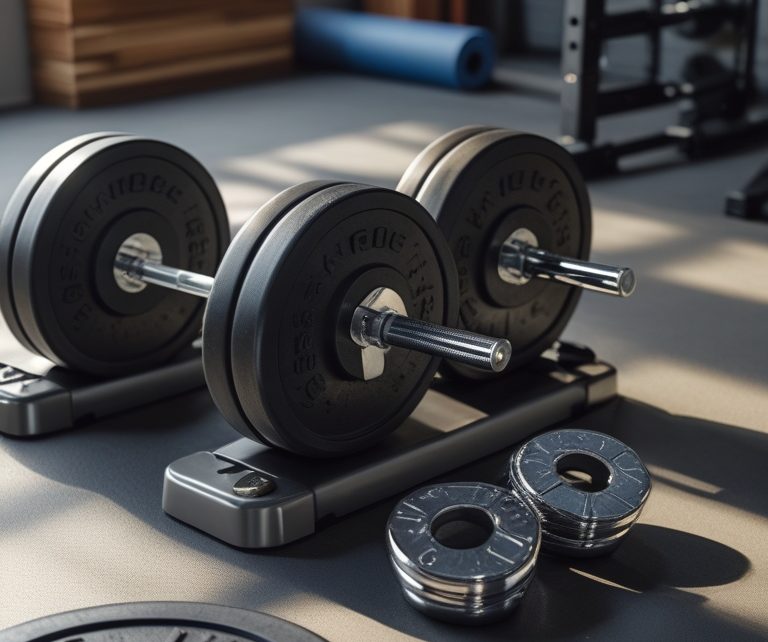
1 inch weight plates—also known as “standard plates”—have a center hole diameter of 25.4 mm (1.00 inch). This distinguishes them from Olympic plates, which have a larger 2-inch (50 mm) hole diameter.
People searching online often use terms like “1 inch weight plate”, “1 inch weights”, or “standard 1 inch weight plates” to find these. Typically, 1 inch plates come in increments such as 1.25 lb, 2.5 lb, 5 lb, 10 lb, 20 lb, and 25 lb (roughly 0.5 to 12 kilograms).
Materials commonly used include:
- Cast iron: the most durable and affordable option
- Rubber or urethane-coated: quieter to use, and better for protecting floors
- Vinyl cement-filled: cheaper but less precise with heavier tolerance variations (+/- 8%)
Understanding these basics will help you identify the right 1 inch weight plates set for your equipment and workout needs.
Who Still Needs a 1 Inch Weight Plates Set & Why?
Ideal Users for 1 Inch Plates
Despite the growing popularity of Olympic 2-inch plates, 1 inch plates remain relevant for several user groups:
- Owners of older home gym bars from brands like Sears, Marcy, or Weider purchased in the 1980s to early 2000s
- Users with spin-lock dumbbell handles, such as Yes4All or Amazon Basics models
- Budget-conscious home gym setups where a complete 100-lb set costs less than $100
- Micro-loading enthusiasts who require smaller incremental weights (0.5 to 1 kg plates) for progressive overload
Pros and Cons of 1 Inch Weight Plates
Pros:
- Lower price per pound—cast iron plates can be $1.60 to $1.90 per pound, compared to $2.20+ for Olympic plates
- Smaller diameter of plates means more can fit on shorter dumbbell handles
- Great for lighter weight capacity needs and space-saving
Cons:
- Limited maximum load capacities—most 1 inch bars support only up to 100–200 lb safely
- Reduced availability in major retail outlets as Olympic plates dominate the market
Anatomy of a Quality 1 Inch Weight Plates Set
Standard Sizes and Dimensions
Typical diameters for cast iron 1 inch plates are:
- 2.5 lb – approximately 153 mm diameter
- 5 lb – approximately 194 mm diameter
- 10 lb – approximately 236 mm diameter
- 25 lb – approximately 330 mm diameter
Thickness varies by weight; for example, a 10-lb cast iron plate is about 24 mm thick, allowing about 16 plates to fit on a 14-inch sleeve bar.
Material Quality and Tolerance
Choose plates with a weight tolerance near ±3% for accuracy. Cast iron plates typically meet this standard, while vinyl cement plates can have tolerances up to ±8%, impacting consistency.
Grip Holes vs Smooth Rim Plates
- Grip hole plates: feature handles or holes for easier loading and unloading—great for quick weight changes especially on dumbbells
- Smooth rim plates: offer tighter stacking with less wasted space but can be harder to grip
How Many Kilos or Pounds of 1 Inch Weight Plates Do You Actually Need?
Here’s a starter set checklist for new lifters primarily focused on upper body training:
- 2 × 10 lb plates
- 4 × 5 lb plates
- 4 × 2.5 lb plates
This totals 50 lb, which suits most beginner dumbbell and barbell workouts. For balanced training that includes legs, add 2 × 25 lb plates for a 100-lb total.
You can expand later by purchasing single plates or go all-in upfront with 100-lb or 200-lb sets depending on your goals. A useful rule of thumb is aiming for 1.5 times your body weight as your deadlift target if your bar supports it.
Compatibility Cheat-Sheet for 1 Inch Weight Plates Set
Bar Sleeve Length and Capacity
Measure the length of your bar sleeve (the section where plates slide on). Most 1-inch bars have about a 7.5-inch sleeve, fitting roughly 10 × 10-lb plates per side.
Collar Types
- Spin-lock collars: threaded collar most common on dumbbell handles
- Spring clips: fast and easy to use, 1-inch outer diameter
- Quick-clamps (e.g., Lock-Jaw): offer efficient tightening, mostly for 25 mm bars, suitable for weights up to 300 lb
Dumbbell Handle Lengths
A 14-inch dumbbell handle comfortably fits four 10-lb plates plus collars on each side; 16-inch handles are better for smaller 5-lb plates and micro-loading.
Buying Criteria: What to Look for When Buying a 1 Inch Weight Plates Set
Price Per Pound Sweet-Spot
- Cast iron new plates: $1.60–$1.90 per pound
- Rubber-coated sets: approximately 15% more expensive
- Vinyl cement plates: cheapest at about $1.20 per pound but less accurate in weight
Additional Considerations
- Shipping costs: Many Amazon orders over $35 and Walmart orders over $50 ship free, which can affect overall value
- Warranty and returns: Reputable brands like CAP Barbell, York, and Everyday Essentials offer 30-day defect replacement policies covering cracks and off-center holes
- New vs used market: Facebook Marketplace and Craigslist sell used plates at 30–50% less. Inspect hubs carefully for structural integrity
Top 5 Current 1 Inch Weight Plates Set Options to Buy Online (2024)
- CAP Barbell 150-lb Cast Iron Set
Machined 1-inch holes, ±3% tolerance, priced ~$1.66/lb. Over 9,000 5-star reviews on Amazon.
Buy on Amazon - Everyday Essentials Gray Cast-Iron 100-lb Set
Features grip holes, painted gray finish, typically $1.59/lb with Walmart deals.
Buy on Walmart - papababe 1-Inch Rubber-Coated 110-lb Set
Low odor rubber, 5-hand-hole design, a slight premium over iron.
Buy on papababe - BalanceFrom Cast Iron 105-lb Set
Includes 14-inch bar option; frequently discounted on Amazon Lightning Deals.
Buy on Amazon - York Barbell Legacy Cast Iron Plates (Made in USA)
Highest finish quality, ±2% tolerance, with lifetime structural warranty.
Buy on York Barbell
DIY & Money-Saving Hacks for 1 Inch Weight Plates
- Spot mislabelled listings: Always ask for a ruler photo of the plate hole—1 inch = 25 mm, not 50 mm Olympic size.
- Create micro plates: Use M20 stainless steel washers (about 40 mm OD) with 1-inch bore. Two per side add ~0.55 lb increments cheaply.
- Repaint rusty plates: Wire brush to remove rust, clean with acetone, then apply two coats of Rust-Oleum matte black enamel for restoration.
Maintenance & Longevity Tips for Your 1 Inch Plates Set
- Store vertically: Use a vertical rack to keep plates dry and off damp floors
- Rust removal: Soak in half white vinegar and water for 30 minutes, scrub with nylon brush, rinse, dry thoroughly, then apply oil.
- Regular care: Wipe plates with 3-in-1 oil after humid workouts and paint any chipped edges promptly to prevent rust spreading
Frequently Asked Questions About 1 Inch Weight Plates
Will 1 inch plates fit a 2 inch Olympic bar?
No, 1 inch (25 mm) plates have holes half the size of Olympic bars (50 mm). There are adapters, but they cause slop, reducing safety and stability.
How much does a full 1 inch plate set cost?
A 100-lb cast iron set usually costs $140 to $160 new. Larger 200-lb sets run near $300. Used sets can be found for 30–50% less on marketplaces.
Can I mix cast iron and rubber-coated plates?
Yes, but alternate by placing smooth sides against each other to avoid rubber damaging cast iron surfaces.
Quick Recap & Call to Action
Before you buy, measure your bar sleeve diameter carefully—25 mm means you need a 1 inch weight plates set. Decide your target weight, prioritize plates with around ±3% weight tolerance, and aim for a price under $1.90 per pound shipped. Ready to shop? Consider the highly-rated CAP Barbell 150-lb cast iron set or explore budget-friendly options at Walmart.
Don’t let incompatible plates ruin your workout—choose the right 1 inch plates today and lift with confidence!