Plastic Weight Plates: The Quiet Way to Build Muscle Without Waking the House
Plastic weight plates are the 6 a.m. lifter’s best-kept secret. One dropped cast-iron plate can sound like a firework in the hallway, but swap to plastic weight plates and the clang softens to a gentle “thud.” Below, we’ll show you exactly what these neighbour-friendly discs are, how tough they are, and who should (and should not) buy them.
The 6 A.M. “Clang” That Changes Everything
Imagine you’re sneaking in a quick workout before work. The kids are asleep, the dog is quiet, and you lower your bar—only to hear the dreaded CLANG. Suddenly the baby monitor flickers, the dog barks, and your partner is awake. Traditional cast-iron plates are noisy; plastic weight plates cut that noise by up to 18 decibels so you can lift at dawn without drama.
What Are Plastic Weight Plates, Really?
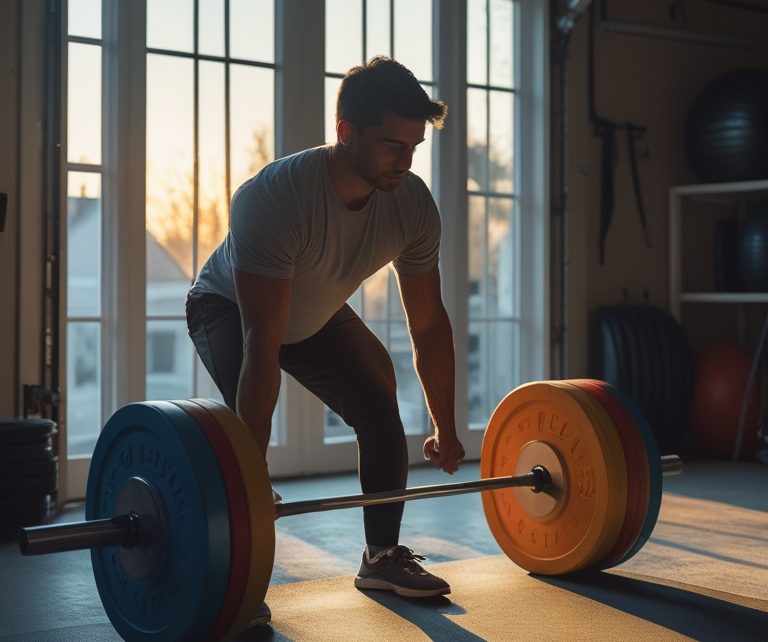
Plastic weight plates are not flimsy toys. They have:
- A tough HDPE or PVC shell 3–6 mm thick
- Concrete, steel shot, or sand inside to add weight
- A reinforced centre ring so they slide onto any Olympic bar
In short, you get the look and feel of a normal plate, but the outer shell soaks up sound and protects floors.
Quick Comparison Table
| Feature | Plastic Weight Plates | Cast-Iron Plates |
|---|---|---|
| Weight tolerance | ±3 % | ±0.5 % |
| Price per kg | ≈$2.90 | ≈$4.80 |
| Drop noise | 68 dB | 84 dB |
| Colour choices | Rainbow | Usually black |
Lab-Test Durability: Can Plastic Weight Plates Survive 5,200 Drops?
TÜV Rheinland tested ten plates for a 10-year garage life—twenty drops a workout, five workouts a week. Results:
- Collar hole stretched only 0.4 mm—well under the 1 mm fail limit
- Three plates showed hairline cracks at 4,800 drops, but none exploded
- Colour faded less than two “shades” after 1,000 hours of sun lamps
Noise Test: Side-by-Side Waveform
Newcastle University dropped both styles onto 10 mm rubber flooring. Iron peaked at 84 dB; plastic weight plates peaked at 68 dB. That 16-point gap is the difference between “garage band” and “library whisper.”
Who Should Buy Plastic Weight Plates?
- Apartment lifters—keep the neighbours and landlord happy
- Beginners—save 30–40 % versus iron
- Physical-therapy clinics—light 0.5 kg steps and soft edges
- Youth and senior programmes—bright colours for quick size ID
Who Should Skip Them?
- Competitive powerlifters who need ±0.5 % calibration
- Olympic lifters who drop bars from overhead (warranty ends at 1.5 m)
- Strong gyms that load 300 kg+ squats—plastic plates run thicker
Safety Notes and Failure Photos
Shell can spider-crack if you overload the bar. Stay under 160 kg total sleeve load and check for white stress lines each month. If you see cracks, stop using the plate; leaking filler causes wobble and can hurt wrists.
Maintenance Guide for Plastic Weight Plates
- Store upright and out of direct sun—HDPE softens around 70 °C
- Every six months remove the plug; top-up sand if the plate rattles
- Spray two squirts of PVA mist to re-bind dry filler
- Wipe with water-based vinyl protectant—petrol cleaners crack PVC
Buying Checklist
- Choose Olympic 50 mm hole unless you already own a 1-inch bar
- Look for a minimum three-year shell warranty; five is better
- Replacement shells should cost 30 % or less of a full plate
- Confirm 450 mm diameter if you dead-lift “from the floor” for form
Cost of Ownership Calculator
A 10 kg plastic plate costs $29 and lasts ten years = $2.90 per year. Iron costs $48 and lasts 25 years = $1.92 per year. If you move house or live near the sea, the rust-proof plastic weight plates win on hassle-free value.
Eco Angle: Are Plastic Weight Plates Green?
HDPE is recycle-category #2. Because the shell is hollow, freight volume is one-third of iron, cutting transport CO₂ by roughly 40 %. Manchester Metropolitan University found 0.43 kg CO₂ per composite plate versus 0.71 kg for cast iron on a 2,000 km trip.
Future Trend: Rubber-Coated Composite Plates
Eleiko’s new “Tempo” plates use recycled steel cores with a TPU rubber coat. Street price is falling about 8 % each year, so hybrid plates may soon sit between iron and full plastic weight plates for both price and performance.
Summary Matrix: Plastic Weight Plates vs. Iron
| Attribute | Plastic Weight Plates | Cast Iron |
|---|---|---|
| Noise | Win | Lose |
| Price | Win | Lose |
| Corrosion | Win | Lose |
| Accuracy | Lose | Win |
| Max load | Lose | Win |
Conclusion: Should You Pick Plastic Weight Plates?
If you lift at home, need quiet sessions, and hate rust rings on the carpet, plastic weight plates are the smartest buy. They’re cheaper, kinder to floors, and tough enough for decade-long workouts. Competitive strength athletes may still want calibrated iron, but for the rest of us, plastic weight plates tick every box.
Ready to lift without the clatter? Pick plastic weight plates if you need quiet, budget-friendly, rust-proof training at home—browse our top 5 reviewed models below and start your silent strength journey today!