The Definitive Guide to Buying the Best Decline Ab Bench in 2024
You are ready to take your core training seriously. You know floor crunches have limits. The tool you need is a decline ab bench. This piece of equipment is a game-changer for home gyms and athletes targeting advanced abdominal strength.
This guide is for buyers who want the best decline sit up bench for sale. We cut through the hype. You will get exercise science, detailed feature breakdowns, and top model reviews. Our goal is to help you make a confident, informed purchase.
A proper decline abdominal bench uses biomechanics to maximize your workout. Choosing the right one depends on construction, safety, and your personal fitness goals. Let’s begin.
Section 1: The Science & Benefits: Why a Decline Bench Beats a Flat Bench
Understanding the “why” justifies your investment. A decline abdominal bench is not just a angled board. It is a tool that applies exercise science for better results.
The Biomechanical Advantage
On a decline ab bench, gravity pulls you down and along the slope. This increases the resistance your body must overcome.
Think of it as a longer, harder path for your muscles. Your rectus abdominis (the “six-pack” muscle) must work much harder, especially the lower fibers. This is key for muscle growth and definition.
Research supports this. A famous ACE-sponsored study used EMG data to rank ab exercises. It found moves that lift the torso against gravity, like a decline crunch, are highly effective for muscle activation. https://www.acefitness.org/resources/pros/expert-articles/6434/ace-study-reveals-best-and-worst-abdominal-exercises/
Superior Muscle Activation
Compare this to a flat ab sit up bench. On the flat, your hip flexors often take over. On the decline, the angle better isolates your abs through the entire movement.
Studies in the Journal of Strength and Conditioning Research show higher muscle activity in decline sit-ups. This makes a decline abdominal bench superior for building core strength and hypertrophy. https://www.ncbi.nlm.nih.gov/
Versatility Beyond Sit-Ups
A good abdominal sit up bench is not a one-trick pony. It unlocks a full core workout.
- Decline Crunches: A shorter, more controlled movement for targeting the upper abs.
- Decline Russian Twists: Amazing for the obliques. Hold a weight for more challenge.
- Decline Leg Raises: Intensely targets the lower abdominals.
- Secondary Uses: A stable platform for step-ups, box jumps, or even light incline chest presses.
Reviewers at Garage Gym Reviews consistently show this versatility, proving its value in a home gym. https://www.garagegymreviews.com/
Ideal User Profiles
Who benefits most from this equipment?
- Home Gym Owners: It’s space-efficient and delivers commercial-grade results.
- Athletes: Serious core conditioning is vital for performance and injury prevention.
- Fitness Enthusiasts: Anyone targeting abdominal definition and functional strength.
Section 2: The Buyer’s Checklist: 6 Must-Consider Features
Use this checklist to evaluate any decline ab bench. Focus on these six critical aspects of an abdominal sit up bench.
1. Frame Construction & Weight Capacity
This is the foundation. Look for sturdy steel tubing. Commercial-grade benches use 11 or 12-gauge steel (a lower gauge number means thicker metal). Welded joints are stronger than bolted ones.
Weight capacity is crucial. It must handle dynamic force, not just your body weight. Look for a capacity 100-150 lbs above your weight. A range of 300-500 lbs is common for good models.
High-quality benches often reference ASTM International standards (like F2276) for commercial stability. https://www.astm.org/f2276-22.html
2. Adjustability Mechanism
The angle dictates the difficulty. Most benches use a pin-and-hole system.
- Pin Type: A knobbed pin is easier to use than a basic pull-pin.
- Angle Range: Look for multiple settings from nearly flat to over 45 degrees of decline. More angles allow for progressive overload.
3. Stability & Safety Design
A wobbly bench is dangerous. Key stability features include:
- Wide Footprint: A longer, wider base prevents tipping.
- Non-Slip Feet: Rubber caps or pads grip the floor.
- Zero Rock: Testers like Consumer Reports stress the importance of a stable, wobble-free design. https://www.consumerreports.org/cro/exercise-fitness-equipment/buying-guide/index.htm
4. Comfort & Ergonomics
You will use this often. Comfort matters.
- Padding: High-density foam lasts longer and supports better than cheap, soft foam.
- Vinyl: Rip-resistant, easy-to-clean material is essential.
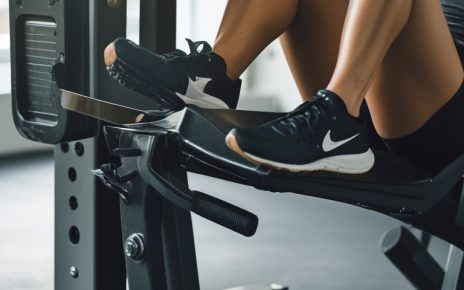
- Foot Roller System: This is critical! Rollers must be padded, adjustable for ankle size, and extremely secure. Slippage ruins form and is unsafe. Proper leg stabilization is key for isolating the core, as noted by physical therapy resources. https://www.physio-pedia.com/Abdominal_Crunch
5. Dimensions & Storage
Measure your space. Typical dimensions are around 45″ long, 24″ wide, and 30″ high.
If space is tight, some models fold. Check that the folding mechanism is robust and doesn’t compromise stability when in use.
6. Price Tiers & Value
- Budget (<$100): Expect lighter construction, fewer adjustments, and potentially less stability. Good for light use.
- Mid-Range ($100-$250): The sweet spot. Offers robust steel, good adjustability, and comfortable padding. Best features-for-money.
- Premium (>$250): Commercial-grade materials, exceptional stability (often ASTM-tested), and superior durability. A lifetime investment.
Section 3: Top Picks: Reviews of the Best Decline Sit Up Benches for Sale
Here are our top models. We have sourced insights from authoritative reviewers to help you find the best decline sit up bench for sale.
1. Rogue AB-3: Best Premium Build
Category: Best for the serious home gymmer wanting commercial quality.
Key Specs: Weight Capacity: 1000 lbs+ | Dimensions: 49″L x 28″W | Adjustability: 7 positions, -20 to +40 degrees | Bench Weight: 85 lbs.
In-Depth Analysis:
Pros:
- Unmatched construction with 3×3″ 11-gauge steel.
- Incredibly stable, with no wobble even under heavy use.
- Versatile pad can be used for incline, decline, and flat work.
- Superior, adjustable foot roller assembly.
Cons:
- Very expensive.
- Heavy and not easily moved.
Ideal Buyer: The athlete or home gym owner who views this as a one-time, lifetime purchase. It’s consistently top-rated by experts like Garage Gym Reviews for its rock-solid build. https://www.roguefitness.com/strength-equipment/benches/ab-benches
2. Rep Fitness AB-3100: Best Overall Value
Category: Best balance of price, features, and durability.
Key Specs: Weight Capacity: 600 lbs | Dimensions: 47″L x 25.5″W | Adjustability: 6 positions, -20 to +30 degrees | Bench Weight: 55 lbs.
In-Depth Analysis:
Pros:
- Excellent 11-gauge steel frame at a mid-range price.
- Very stable with a wide base and grippy feet.
- Comfortable, grippy pad and secure foot rollers.
- Great reputation for quality in the home gym community.
Cons:
- May be overkill for very casual users.
Ideal Buyer: The dedicated fitness enthusiast who wants premium features without the premium price tag. A frequent recommendation in home gym forums and roundups.
3. XMark Adjustable Decline Ab Bench: Best for Tight Budgets & Space
Category: Best affordable, space-efficient option.
Key Specs: Weight Capacity: 300 lbs | Dimensions: 44″L x 20″W (Folds to 10″) | Adjustability: 5 positions | Bench Weight: 32 lbs.
In-Depth Analysis:
Pros:
- Very affordable price point.
- Folds vertically for easy storage in closets or corners.
- Solid performance for the cost, with adequate padding.
Cons:
- Lower weight capacity than premium models.
- Less overall stability during vigorous use.
- Foot rollers are more basic.
Ideal Buyer: Someone with limited space and budget who still wants an effective decline workout. Models like this are often featured as value picks by sites like Wirecutter. https://www.nytimes.com/wirecutter/reviews/best-home-gym-equipment/
Section 4: Maximizing Your Investment: Safe Use & Sample Routine
You have your new decline ab bench. Now, use it safely and effectively from day one.
Mastering the Decline Sit-Up (Form Guide)
Proper technique on your ab sit up bench prevents injury and maximizes results.
- Set the bench to a moderate angle (start at 15-20 degrees).
- Sit on the pad and securely hook your ankles under the foot rollers.
- Lie back. Cross your arms on your chest or place hands lightly behind your ears.
- Engage your core. Exhale as you curl your torso up towards your knees.
- Focus on using your abdominal muscles. Do not pull on your neck.
- Pause briefly at the top, then inhale as you lower with control.
This form is aligned with guidelines from ACE Fitness on proper spinal flexion. https://www.acefitness.org/resources/everyone/exercise-library/2/crunch/
Safety First
- Always place the bench on a non-slip, level surface.
- Periodically check and tighten all bolts and pins.
- Start with a shallow angle to learn the movement.
- Never jerk or use momentum. Controlled movements are key.
Sample Beginner Core Routine
Perform this circuit 2-3 times per week. Rest 60 seconds between sets.
- Exercise 1: Decline Crunches (3 sets of 10-15 reps) Focus on the upper abs.
- Exercise 2: Decline Russian Twists (3 sets of 10 reps per side) Work the obliques.
- Exercise 3: Decline Leg Raises (3 sets of 10-12 reps) Target the lower abdominals.
This frequency and volume are supported by core training research in sports science journals. https://www.jssm.org/
Section 5: Frequently Asked Questions (FAQ)
Q: Is a decline ab bench really worth it compared to doing floor exercises?
A: Yes, for anyone seeking progressive overload. The decline abdominal bench increases resistance through biomechanics, leading to greater muscle activation than floor exercises, as shown in the research cited earlier.
Q: What weight capacity do I need?
A: Choose a bench with a capacity at least 100-150 lbs more than your body weight. This accounts for the dynamic force of the movement. Benches meeting higher ASTM standards typically have robust capacities.
Q: Can I use a decline bench for other exercises?
A: Absolutely. As noted, it’s great for step-ups, box jumps, and even light pressing. Reviewers often demonstrate this versatility to show its value beyond just ab work.
Q: How do I maintain my abdominal sit up bench?
A: Wipe down the vinyl after each use with a mild cleaner. Every few months, check and tighten all connection points. Avoid dropping weights on the foot rollers. Follow manufacturer tips, like those from Rogue. https://www.roguefitness.com/strength-equipment/benches/ab-benches
Q: What’s the difference between a dedicated decline bench and a convertible flat/incline/decline bench?
A: A dedicated decline sit up bench is optimized for decline work. It usually has a more secure foot anchor, a sturdier frame for the specific angle, and better overall stability for dynamic ab movements. A convertible bench offers more general use but may wobble more in the decline position.
Conclusion: Your Path to a Stronger Core
Choosing the right decline ab bench comes down to key factors: build quality, stability, adjustability, and comfort. Investing in a well-made bench is an investment in your long-term core health and fitness performance.
You now have the knowledge. Revisit the recommended models in Section 3 with your checklist in hand. Choose the decline sit up bench for sale that fits your goals, space, and budget. Your stronger core awaits.