Dip Stand for Home Gym: The Ultimate Guide to Choosing the Right Equipment
Introduction: Why a Dip Stand is a Must-Have for Your Home Gym
If you are building a home gym, you need a dip stand for home gym workouts. Dips are a powerful bodyweight exercise. They build upper body strength. They target your chest, triceps, and shoulders. A dip stand gives you a safe and stable platform to perform dips at home. It is a critical piece of equipment for home fitness enthusiasts. source
Choosing the right dip equipment can be confusing. You might wonder: Should I get a dip station or a power tower? Are parallel bars better than gymnastic rings? This guide will help you decide. We will compare all the options. We will look at space, cost, and functionality. By the end, you will know which equipment fits your needs. source
This article covers:
- Understanding different dip equipment options
- Dip station vs power tower detailed comparison
- Parallel bars vs gymnastic rings comparison
- The benefits of standalone dip bars
- A decision-making framework to choose the best equipment
- Recommendations based on your user profile
Let’s dive in.
Understanding Dip Equipment Options
Before you buy, you need to know what each piece of equipment does. Here are the main options for dip training at home.
What is a Dip Stand or Dip Station?
A dip stand, also called a dip station, is a compact piece of equipment. It is designed specifically for dips. It has two parallel bars fixed at a comfortable height. You hold the bars and lift your body up and down. This movement works your triceps, chest, and shoulders. A dip stand is simple and focused. It is perfect for home gyms with limited space. It is a dedicated tool for one of the best upper body exercises.
What is a Power Tower?
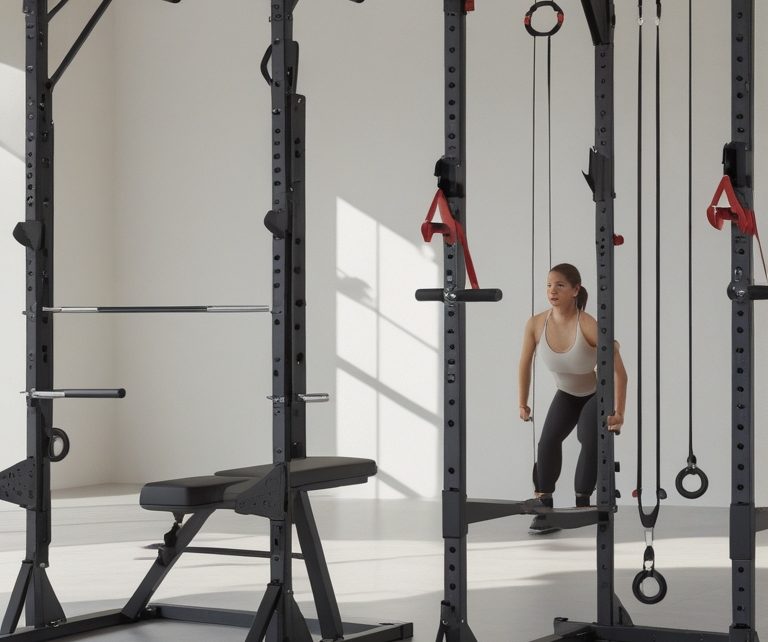
A power tower is a multi-functional fitness station. It includes dip bars, a pull-up bar, push-up handles, and often a leg raise station. It lets you do many exercises with one piece of equipment. You can do dips, pull-ups, chin-ups, and leg raises. A power tower is bigger than a dip stand. It offers more exercise variety. It is great if you want an all-in-one home gym solution. source
Overview of Parallel Bars
Parallel bars are two long rails placed side by side. They are used in gymnastics and calisthenics. They provide a stable platform for dips and other exercises. You can use them for static holds and levers. Parallel bars are usually fixed to stands or a frame. They are dedicated dip equipment. They are very stable and good for building strength.
Introduction to Gymnastic Rings
Gymnastic rings are suspended rings that hang from a ceiling or a frame. They are highly versatile. You can do dips, muscle-ups, rows, and many other exercises. Rings are unstable. This means they work your stabilizer muscles more. They require more skill and balance. Gymnastic rings are great for advanced users who want a challenge. source
Detailed Comparison: Dip Station vs Power Tower
One of the biggest decisions is choosing between a dip station and a power tower. Both let you do dips. But they are very different in many ways. Let’s compare them side by side.
| Factor | Dip Station | Power Tower |
|---|---|---|
| Space | Small footprint, easy to store | Larger footprint, less portable |
| Functionality | Dedicated dips, sometimes rows | Multi-exercise: dips, pull-ups, chin-ups, leg raises |
| Cost | Generally lower | Higher due to multi-functionality |
| Stability | Very stable due to simple design | Moderately stable, depends on model |
| Safety | Fewer moving parts, safer for beginners | More complex, some risk with unstable exercises |
| User Profile | Beginners to intermediate focusing on dips | Intermediate to advanced needing multi-exercise unit |
| Pros | Space efficient, specialized performance | Versatile, replaces multiple pieces of equipment |
| Cons | Limited exercise variety | Bulky, more expensive |
Let’s look at each factor in detail.
Space Considerations
A dip stand for home gym is compact. It takes up little floor space. You can easily move it or store it in a closet. A power tower is much bigger. It needs a dedicated spot in your home gym. If you have a small room, a dip station is better. source
Functionality Comparison
A dip station is designed for dips. Some models also allow bodyweight rows. A power tower offers many exercises. You can do pull-ups, chin-ups, leg raises, and dips. If you want variety, a power tower is better. If you only care about dips, a dip station is perfect.
Cost Analysis
Dip stations are usually cheaper. Power towers cost more because they do more. Think about your budget. If you have limited money, a dip station gives great value. If you can spend more, a power tower gives you a full upper body workout station. source
Stability and Safety Features
Dip stations are very stable. They have a simple design with no moving parts. This makes them safe for beginners. Power towers can wobble if not assembled properly. They are still safe, but you need to be careful. Always follow assembly instructions.
Target User Profiles
Who should choose a dip station? Beginners who want to focus on dips. People with limited space. Those on a tight budget. Who should choose a power tower? Intermediate to advanced users who want multiple exercises. People with enough space and budget. Those who want an all-in-one home gym solution.
Parallel Bars vs Gymnastic Rings Comparison
Another choice is between parallel bars and gymnastic rings. Both are great for dips. But they offer different experiences. Let’s compare them.
| Factor | Parallel Bars | Gymnastic Rings |
|---|---|---|
| Stability | Fixed and very stable | Unstable; requires balance and control |
| Versatility | Focused on dips and static holds | Highly versatile: dips, muscle-ups, rows, push-ups |
| Skill Level | Suitable for beginners to advanced | More suitable for intermediate to advanced users |
| Space | Requires floor space, fixed setup | Requires anchor point; minimal floor space |
| Exercise Variety | Mainly dips and levers | Extensive with variations and progressions |
| Progression | Linear strength gains | Adds complexity, requiring skill development |
| Safety | Lower risk due to stability | Higher risk for beginners due to instability |
Stability vs Versatility Debate
Parallel bars are stable. This makes them easier to use. You can focus on building strength. Gymnastic rings are unstable. This makes them harder. But they work more muscles. They improve your balance and coordination. If you want stability, choose parallel bars. If you want versatility and challenge, choose rings. source
Skill Level Requirements
Parallel bars are good for all skill levels. Beginners can start with basic dips. Advanced users can do harder moves. Gymnastic rings need more skill. Beginners might find them too hard. It’s better to have some experience before using rings.
Space and Installation Considerations
Parallel bars need floor space. They are usually free-standing. Gymnastic rings need an anchor point. You can hang them from a ceiling beam or a pull-up bar. Rings take up no floor space. But you need a strong anchor. source
Exercise Variety Beyond Dips
Parallel bars are mainly for dips and static holds. Gymnastic rings allow many exercises. You can do dips, muscle-ups, rows, push-ups, and more. Rings offer endless workout possibilities.
Progression and Scalability for Advanced Training
With parallel bars, you progress by adding weight or doing harder variations. With rings, you progress by mastering new skills. Rings offer more scalability for advanced training.
Safety Considerations
Parallel bars are safer because they are stable. Rings are less safe for beginners. The instability can cause falls. Always use proper form and start with easier exercises.
Benefits of Standalone Dip Bars (Deep Dive)
Standalone dip bars, or dip stations, have many advantages. Let’s explore the benefits in detail.
- Dedicated Performance Advantages: Dip bars are optimized for dips. The height and grip spacing are perfect for proper form. This means better biomechanical alignment and more effective workouts.
- Space Efficiency and Portability: Dip stations are compact. They are easy to move and store. You can use them in a small room or even outdoors. They are perfect for home gyms with limited space.
- Cost-Effectiveness: Dip bars are usually less expensive than power towers. You get a high-quality piece of equipment without spending a lot of money. This is great for budget-conscious buyers.
- Ease of Use and Accessibility for Beginners: The simple design makes dip bars easy to use. Beginners can learn dips safely. There are no complicated settings or adjustments.
- Durability and Maintenance Considerations: Dip bars are made of strong steel. They require minimal maintenance. Just keep them clean and check for loose bolts occasionally.
- Customization and Adjustment Capabilities: Many dip bars have adjustable heights and grip widths. This lets you customize the equipment to your body. It improves comfort and performance.
Decision-Making Framework: How to Choose the Right Equipment
Now you know the options. How do you decide? Use this simple framework to make the best choice for your home gym.
- Assess Your Home Gym Space Constraints: Measure your available space. If you have a small room, choose a compact dip stand or gymnastic rings. If you have a large room, a power tower might fit.
- Evaluate Your Fitness Goals and Training Focus: What are your goals? If you want to build upper body strength with dips, a dip station is great. If you want a full upper body workout, choose a power tower. If you want skill work, choose rings.
- Consider Your Budget Limitations: Set a budget. Dip stations are the most affordable. Power towers cost more. Rings and parallel bars vary in price. Choose what fits your budget.
- Factor in Your Current Skill Level and Progression Plans: Are you a beginner? Start with a dip station or parallel bars. Are you advanced? Consider rings or a power tower. Think about your future progression.
- Think About Future Equipment Additions and Compatibility: Plan for the future. Will you add more equipment? Make sure your dip equipment works with your other gear. For example, rings can be hung from a power tower.
Recommendations Based on User Profiles
Here are our recommendations for different types of home gym users.
Best Choice for Beginners with Limited Space
If you are new to dips and have a small space, get a dip stand for home gym. It is safe, easy to use, and affordable. You can focus on learning proper dip form without distractions.
Ideal Option for Advanced Athletes Seeking Versatility
If you are advanced and want variety, choose a power tower or gymnastic rings. A power tower gives you many exercises in one. Rings offer endless skill progressions. Both are great for advanced training.
Recommended Setup for Budget-Conscious Home Gym Owners
If you are on a tight budget, get a basic dip bar. It provides the best value for money. You can do dips and build strength without spending a lot.
Optimal Choice for Those Focusing Primarily on Upper Body Strength
If your main goal is upper body strength, choose a dip station or parallel bars. They are dedicated to dips and related exercises. They will help you build a strong chest, triceps, and shoulders.
Conclusion: Making the Right Choice for Your Home Gym
Choosing the right dip equipment is important. A dip stand for home gym is a great choice for many people. It is compact, affordable, and effective. But a power tower offers more exercises. Parallel bars provide stability. Gymnastic rings offer versatility and challenge.
Remember the key takeaways:
- Dip stations are best for space-saving and focused dip training.
- Power towers are best for multi-functional home gyms.
- Parallel bars are stable and good for all skill levels.
- Gymnastic rings are versatile but require more skill.
Prioritize your personal needs. Think about your space, budget, goals, and skill level. Do not just follow trends. Choose equipment that fits your long-term fitness journey.
Ready to take the next step? Research user reviews. Watch tutorial videos. Try equipment in-store if possible. Make an informed decision and start building your dream home gym today!
Call to Action: Share this guide with friends who are building home gyms. Leave a comment below with your questions. Check out our other articles on home gym equipment and workout plans.