
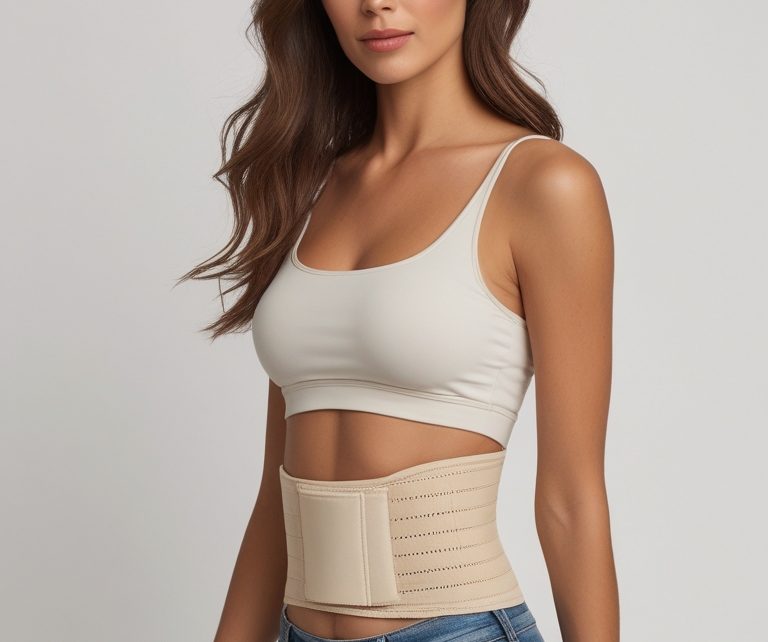
How Long Are You Supposed to Wear a Waist Trainer?
When it comes to waist trainers, one of the most common questions consumers ask is, “How long are you supposed to wear a waist trainer?” This popular garment claims to offer a slimmer waist and curvier silhouette, but understanding the right duration for safe use is crucial for your health and comfort. In this article, we’ll explore guidance from health professionals, recommended wear times, safety precautions, and more.
Understanding Waist Trainers
Waist trainers are tight garments designed to shape and slim down the waist by providing significant compression. Made primarily from materials like latex or neoprene, they have surged in popularity due to social media influencers promoting them as quick fixes for achieving an hourglass figure. While many users report positive experiences, it’s essential to discern fact from fiction. So, how long are you supposed to wear a waist trainer to achieve the desired results safely?
Recommended Duration of Use
General Guidance
Most health experts agree on the importance of starting slow when incorporating a waist trainer into your routine. The American Academy of Plastic Surgeons suggests beginning with short sessions lasting between 1 to 4 hours. This incremental approach allows your body to adjust gradually. Over time, many people find that wearing a waist trainer for about 6 to 8 hours a day is effective without causing discomfort.
Daily Recommendations
A study highlighted in Women’s Health supports the notion that wearing a waist trainer for up to 8 hours can yield benefits—especially if aligned with a fitness routine. However, experts caution against wearing waist trainers while sleeping or during intense workouts, as this can lead to health issues like breathing difficulties and excessive sweating.
Listening to Your Body
Your comfort level plays a significant role in determining how long you should wear a waist trainer. According to fitness professionals, including Sofia Vergara’s trainer, it’s crucial to pay attention to your body’s signals. If you start feeling uncomfortable or experience pain, it’s advisable to reduce the time you wear your waist trainer or discontinue use altogether. The idea is to find a balance that works for you.
Safety Precautions When Wearing Waist Trainers
Potential Risks of Overuse
While waist trainers can provide aesthetic appeal, overuse brings significant health risks. The Harvard Medical School points out that extended wear may lead to digestive problems, breathing difficulties, and muscle weakening. Important areas such as the ribs and organs could be harmed due to the excessive pressure for long periods.
Signs that you may be overusing a waist trainer include:
- Shortness of breath
- Dizziness
- Unusual pain in the ribs or abdomen
- Skin irritation
Consulting Professionals
Before beginning the use of waist trainers, especially if you have existing medical conditions or are pregnant, consulting healthcare providers is essential. The Mayo Clinic recommends professional guidance to ensure that usage aligns with your health needs. They can help mitigate the potential risks associated with waist trainers.
How to Effectively Use a Waist Trainer
Choosing the Right Waist Trainer
When selecting a waist trainer, it’s vital to find one that fits your body shape comfortably. Materials, size, and compression level can significantly impact your experience. The garment should be snug but not painfully tight. Feel free to try out a few different styles – as the right fit will enhance your comfort when wearing it for extended periods.
Combining with Fitness and Diet
For optimal results, consider integrating waist trainers into your overall fitness regimen. Engaging in regular physical activity, coupled with a nutritious diet, can provide further enhancement of your body’s shape. Many fitness experts recommend using a waist trainer during workouts to enhance posture and support your back, provided that it’s comfortable.
Monitoring Progress
Track your body’s response to waist training. Use a journal or a fitness app to log how long you wear it each day and any feelings of discomfort or changes in your body. This record can help you make informed decisions on adjustments in compression time in relation to your wellness goals.
Alternatives to Waist Trainers
If a waist trainer feels too restrictive or uncomfortable, there are alternatives you may consider:
- Shapewear: Unlike waist trainers, shapewear typically offers lighter compression and can be worn throughout the day.
- Core-strengthening exercises: Incorporating planks, bridges, and abdominal exercises can help you naturally define your waist.
- Proper posture: Mindful posture can help define your waistline without the need for additional garments.
Conclusion
In summary, wearing a waist trainer can yield results if done safely within a timeframe of 1 to 8 hours daily. Listen to your body, consult with healthcare professionals, and avoid excessive wear to maintain your health. Always integrate waist training into a comprehensive wellness routine that includes fitness and good nutritional practices.
Have you tried waist training? Share your experiences or ask any questions in the comments below! For more information on health and wellness topics, check out our related articles on [INTERNAL LINK].
