Introduction
Have you ever dreamt of effortlessly achieving your first unassisted pull-up, only to be thwarted by your current strength level? Whether you’re a fitness newbie or an experienced athlete, mastering pull-ups can be a game-changing addition to your workout regime. Enter the solution: pull up assistance bands. These versatile training tools can help you gradually build the strength needed to perform pull-ups and other upper body movements.
In this ultimate guide, we’ll explore the features, benefits, setup, and maintenance of these handy bands, ensuring you’re fully equipped to enhance your fitness journey.
Product Details
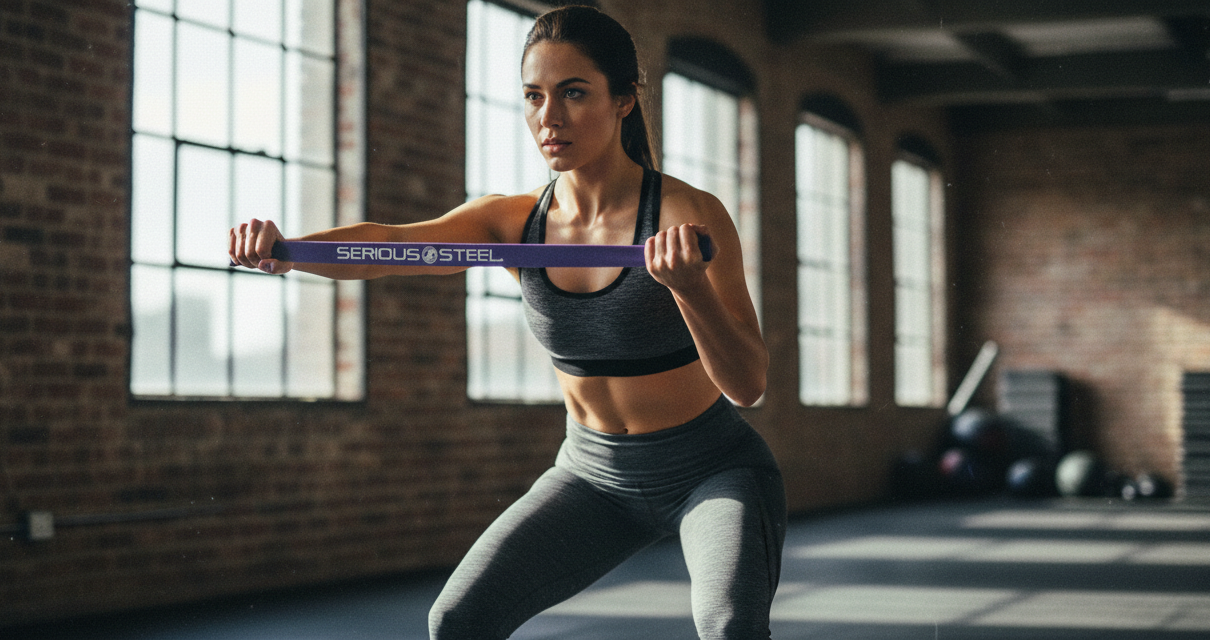
The Serious Steel 41 Assisted Pull-up Band set includes two bands tailored for various resistance levels:
– Band #1: 5 lb. – 25 lb.
– Band #2: 10 lb. – 50 lb.
Manufactured from 100% natural latex and over 99.9% free of soluble proteins, these bands are designed for durability and safety, especially for those sensitive to latex. The package does not include colored storage rubber bands, but the quality and elasticity of the bands themselves are commendable.
The first impression reveals robust construction, ensuring they can withstand the rigors of consistent use while providing effective resistance.
Key Features & Performance
The core functionality of pull up assistance bands lies in their ability to support various exercises, including pull-ups, dips, and muscle-ups. In real-world scenarios, these bands have performed admirably, allowing users to practice these challenging movements without overwhelming strain.
The bands offer variable resistance, making them perfect for both beginners who need significant support and advanced users who can leverage them for higher-level training enhancements. Whether you’re focusing on upper body strength or integrating them into your dynamic workouts, you can expect reliable performance tailored to your fitness level.
Step-by-Step Setup / How to Use
Using pull up assistance bands is very straightforward. Here’s how to get started:
1. Select Your Band: Choose the band that best suits your current strength level, starting with the lighter option if you’re a beginner.
2. Attach the Band: Loop the band over the bar securely, making sure it is not twisted.
3. Place Your Foot or Knee: For pull-up assistance, step into the band using your foot or place your knee in the loop to assist your upward movement.
4. Practice Pull-ups: Grip the bar and perform your pull-up. The band will provide the necessary support, making the exercise more manageable.
5. Gradually Progress: As you build strength, transition to using less assistive bands.
Pro Tip:
Start with multiple sets of 5-10 reps, increasing gradually as you gain strength.
Core Advantages & Benefits
Utilizing pull up assistance bands offers numerous benefits:
– Strength Building: Helps increase upper body strength progressively.
– Versatile Applications: Can be used for multiple exercises beyond pull-ups, like dips and speed training.
– Portable: Lightweight and easy to transport, making them perfect for home and gym workouts alike.
– Customizable Resistance: Easily adjust resistance by switching bands or using multiple bands together.
– Rehabilitation Tool: Ideal for general conditioning and rehabilitation exercises, allowing users to regain strength safely.
User Tips & Alternative Use Cases
Apart from pull-ups, pull up assistance bands can also be creatively used for:
– Warm-ups: Utilize them for stretching exercises or dynamic warm-ups.
– Home Workouts: Perfect for small spaces; you can engage in numerous resistance training exercises.
– Speed Training: Integrate them for plyometric exercises or agility drills.
Common Mistakes to Avoid
While using pull up assistance bands, be wary of these common pitfalls:
1. Using too heavy a band: Beginners often overestimate their strength, opting for bands that assist too little.
2. Poor attachment: Ensure the band is securely fastened to avoid accidents during use.
3. Neglecting form: Prioritize good form over the number of reps to effectively prevent injuries.
Maintenance & Long-Term Care
To ensure longevity and proper use of your pull up assistance bands:
– Clean Regularly: Wipe down the bands with a damp cloth after each use to maintain hygiene.
– Store Properly: Keep them in a cool, dry place away from direct sunlight to prevent drying out or cracking.
Pros & Cons
Pros:
– Exceptional versatility for various training needs
– Durable latex construction
– Helps progressively build strength
– Excellent value for money
Cons:
– Sensitivity to latex may affect some users
– Requires some initial adjustment period for proper use
Conclusion
In summary, pull up assistance bands are an invaluable addition to any fitness routine. They seamlessly support both novices and seasoned athletes in enhancing their upper body strength. Don’t let your training plateau; consider incorporating these bands into your regimen today! Explore more and check the latest price—you won’t regret investing in your fitness journey!
FAQs
1. What are pull up assistance bands made of?
They are made from 100% natural latex, providing durability and comfort.
2. Can I use multiple bands together?
Yes, you can combine smaller bands for added resistance suitable for your training needs.
3. Are pull up assistance bands suitable for rehabilitation?
Absolutely! They are excellent for general conditioning and rehabilitation exercises.
4. How do I determine which band to start with?
Beginners should start with the lighter band and gradually progress to heavier bands as their strength improves.
5. How should I store my bands?
Keep them in a cool, dry place, away from sunlight, to prolong their lifespan.