
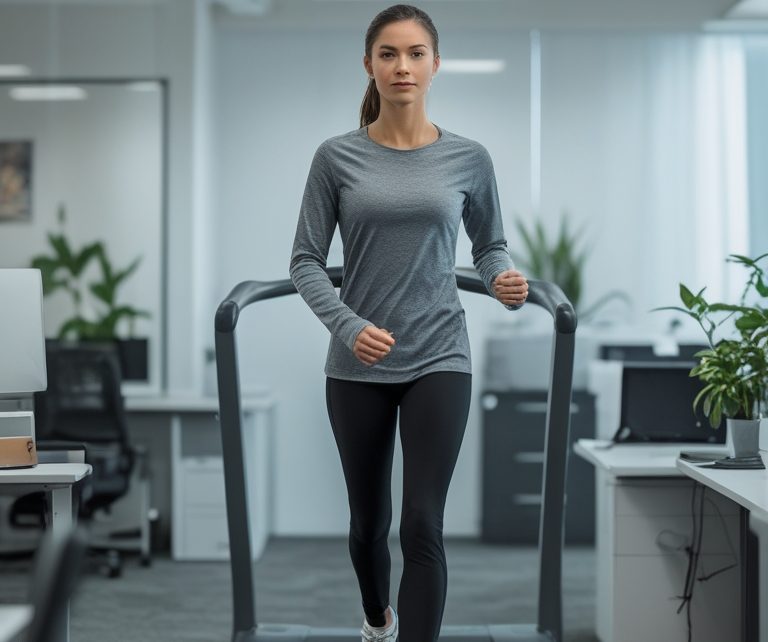
Walking Treadmill Capacity: What Every Buyer Needs to Know
If you’re thinking about buying a walking treadmill, there’s one crucial factor that could make or break your experience: walking treadmill capacity. This often-overlooked specification determines not only how well the treadmill supports your weight but also how long it will last, how quietly it operates, and whether it’s suitable for your daily walking routine. Many people jump straight to looking at price, size, or fancy features, but ignoring walking treadmill capacity could lead to disappointment, extra costs, and even safety concerns. In this comprehensive guide, we’ll explore everything you need to know about walking treadmill capacity, from understanding basic terms to choosing the perfect machine for your specific needs.
Whether you plan to walk while working in your office, enjoy gentle exercise at home, or incorporate walking into your daily fitness routine, the right treadmill capacity matters more than you might think. We’ll cover how weight limits affect motor longevity, why office noise concerns are directly related to capacity choices, and what features you should prioritize when shopping. By the end of this article, you’ll have the confidence to make an informed purchase decision that supports your health goals without compromising on quality, durability, or comfort.
Understanding Treadmill Weight Limit and Walking Treadmill Capacity
Before we dive deeper into the technical details, let’s clarify some essential terms. Many people use “treadmill weight limit” and “walking treadmill capacity” interchangeably, but they have slightly different meanings that are important to understand.
What is Treadmill Weight Limit?
The treadmill weight limit refers to the maximum body weight a treadmill can safely support without risking damage to the machine or injury to the user. Think of it as a safety threshold—the absolute highest weight the manufacturer recommends for safe operation. This number is usually clearly displayed in the product specifications and should never be ignored. Exceeding the treadmill weight limit can lead to premature wear, motor failure, and even structural damage to the frame.
What is Walking Treadmill Capacity?
While related to weight limit, walking treadmill capacity encompasses more than just maximum weight. It includes the treadmill’s overall ability to handle regular walking use by people within certain weight ranges. This involves considering how well the machine supports consistent daily use without excessive wear and tear. A treadmill might have a 300-pound weight limit but only be designed for occasional light walking at that weight, not daily hour-long sessions. True walking treadmill capacity considers both the maximum weight and the intensity/frequency of use.
Why These Factors Are Crucial for Daily Walking
Understanding both treadmill weight limit and walking treadmill capacity is essential for several reasons:
- Safety First: Using a treadmill beyond its designed capacity creates safety risks, including potential frame failure or belt slippage.
- Motor Protection: The motor works harder when supporting heavier weights, and exceeding capacity can lead to overheating and premature failure.
- Longevity of Investment: A properly sized treadmill will last years longer than one constantly pushed beyond its limits.
- Performance Quality: Treadmills operating within their capacity range provide smoother, more consistent walking experiences.
When you match your body weight and walking habits to the right treadmill capacity, you ensure both durability and comfort. This careful matching prevents the common problem of motor burnout and extends the lifespan of your machine significantly. Remember that manufacturers determine these limits through extensive testing, so they’re not arbitrary numbers but critical guidelines for optimal performance.
Factors Affecting Treadmill Motor Longevity and Power
One of the most important reasons to pay attention to walking treadmill capacity is how it directly impacts the motor’s longevity and power. The motor is essentially the heart of your treadmill—it drives the belt, supports your movement, and determines how smoothly the machine operates. Several key factors influence how long your treadmill motor will last and how well it will perform over time.
User Weight and Its Impact on Motor Strain
Your body weight creates the primary load that the treadmill motor must overcome. Heavier users naturally place more strain on the motor system. Here’s what happens:
- Increased Resistance: Every step creates resistance against the belt movement, and heavier users create more resistance.
- Heat Buildup: Motors working against higher resistance generate more heat, which can degrade components over time.
- Accelerated Wear: Bearings, belts, and other components experience faster wear when consistently supporting heavier loads.
For example, a treadmill with a 250-pound weight limit isn’t designed to regularly support a 300-pound user. Consistently exceeding this limit causes the motor to operate beyond its optimal range, leading to overheating and significantly reduced lifespan. This is why experts recommend choosing a treadmill with a weight limit that exceeds your current body weight by at least 20-30%.
Walking Intensity: Gentle Stroll vs. Power Walk
How you walk matters just as much as how much you weigh when considering walking treadmill capacity. Different walking intensities place varying demands on the motor:
- Gentle Walking (2-3 mph): Places minimal strain on the motor, suitable for most basic treadmill models.
- Brisk Walking (3.5-4 mph): Requires more motor power and better cooling systems.
- Power Walking (4+ mph): Demands robust motors designed for sustained higher speeds.
- Interval Walking: Alternating between speeds creates varying loads that require motors with good response capabilities.
If your routine includes brisk walking or interval training, you’ll need a treadmill with both higher capacity and a more powerful motor. The more intense your workout, the more the motor has to work, potentially wearing it down faster if it’s not specifically designed for that level of use.
Walking Frequency and Duration
How often and how long you use your treadmill significantly affects motor longevity. Consider these scenarios:
- Occasional Use (2-3 times weekly, 20-30 minutes): Most standard treadmills handle this well.
- Daily Use (5-7 times weekly, 30-60 minutes): Requires motors with better cooling and durability features.
- Multiple Daily Sessions: Demands commercial-grade or heavy-duty residential models.
- Extended Sessions (90+ minutes): Needs specialized motors designed for continuous operation.
Think of your treadmill motor like a car engine: the more miles (or in this case, hours) you put on it, the more maintenance it requires and the sooner components may need replacement. Regular, prolonged use accelerates wear and tear on all moving parts, not just the motor.
Environmental Factors
Your walking environment also plays a role in motor performance and longevity:
- Room Temperature: Motors in hot environments require better cooling systems.
- Ventilation: Proper airflow around the treadmill helps prevent overheating.
- Surface Stability: Uneven floors can create additional strain on motor components.
- Altitude: Higher altitudes with thinner air can affect motor cooling efficiency.
Choosing a treadmill that matches your routine, weight, and environment ensures the motor runs smoothly and lasts longer. Investing in a robust motor with adequate capacity decreases future maintenance costs and prevents frustrating interruptions to your walking routine. Remember that a higher initial investment in proper walking treadmill capacity often pays off through reduced repair bills and longer overall machine life.
Noise Considerations for Office Use
If you plan to use your walking treadmill in an office setting, noise becomes a critical consideration that’s directly related to walking treadmill capacity choices. Many potential buyers worry that treadmill noise will disrupt colleagues, interfere with phone calls, or create an unpleasant work environment. Understanding how capacity affects noise levels can help you make smarter purchasing decisions.
How Motor Capacity Relates to Noise Production
The relationship between walking treadmill capacity and noise isn’t always straightforward, but several important connections exist:
- Underpowered Motors: Motors operating near their maximum capacity tend to work harder and often produce more noise as they strain to maintain speed.
- Properly Sized Motors: Motors with adequate capacity for the user’s weight operate more efficiently and typically run quieter.
- Over-engineering: Some high-capacity treadmills designed for heavier users or commercial use may have larger motors that naturally produce more operational sound.
The key is finding the right balance—a motor with sufficient capacity for your weight and usage patterns without being excessively oversized for your needs. Modern walking treadmills are increasingly designed with noise reduction in mind, but specific features make some models better suited for office environments than others.
Motor Noise: What Creates the Sound?
Understanding what creates treadmill noise helps you identify quieter models:
- Motor Hum: The electric motor itself creates a baseline hum that varies by design and quality.
- Belt Friction: The walking belt moving across the deck creates friction-related sounds.
- Impact Noise: Footsteps on the deck create impact sounds that transfer through the frame.
- Vibration Transfer: Motor vibrations can travel through the frame to the floor, creating low-frequency noise.
A powerful motor doesn’t necessarily mean more noise if it’s well-designed. Quality treadmills use proper insulation, precision engineering, and quality components to keep operational sounds to a minimum regardless of motor size.
Belt and Deck Design for Quieter Operation
The components that the walking belt interacts with play a significant role in overall noise levels:
- Cushioned Decks: Shock-absorbing decks reduce impact noise from footsteps.
- Quiet Belt Materials: Some belts are specifically designed for low-noise operation.
- Proper Tensioning: Correctly tensioned belts create less friction and operational noise.
- Multi-layer Construction: High-quality decks with multiple layers better absorb and dampen sound.
When shopping for an office treadmill, look for models that specifically mention quiet belt and deck technology. These features are particularly important for shared workspaces where noise sensitivity is high.
Vibration Dampening Technology
Vibration control is crucial for office treadmill use because vibrations can transfer sound through floors and structures:
- Shock-Absorbing Feet: Rubber or specialized composite feet reduce vibration transfer to the floor.
- Internal Dampeners: Some models include internal vibration-absorbing materials within the frame.
- Stabilization Systems: Advanced treadmills may include active or passive stabilization to minimize movement and noise.
- Anti-Vibration Mats: While not built-in, using a quality treadmill mat provides additional noise and vibration reduction.
These features make walking treadmills suitable even for open office spaces, cubicle environments, or home offices where noise discipline is important.
Office-Specific Noise Reduction Strategies
Beyond choosing the right treadmill, consider these additional strategies for office use:
- Strategic Placement: Position the treadmill away from shared walls and sensitive areas.
- Time Management: Schedule walking sessions during less sensitive times if possible.
- Communication: Discuss plans with colleagues to address concerns proactively.
- Acoustic Enhancements: Add rugs, curtains, or acoustic panels to absorb sound.
When researching treadmills for office use, pay close attention to decibel ratings in product specifications. Many manufacturers now provide noise level information, making comparison shopping easier. Additionally, read customer reviews specifically mentioning noise performance in office or shared space environments.
Key Features to Look for in a Walking Treadmill
Now that we understand the importance of walking treadmill capacity and its relationship to noise and longevity, let’s explore the specific features you should prioritize when shopping. These elements work together to ensure you get a treadmill that not only supports your weight but also delivers a quality walking experience for years to come.
Motor Power: Understanding Horsepower Ratings
The motor is the most critical component determining walking treadmill capacity and overall performance. When evaluating motors, consider these factors:
- Continuous Horsepower (CHP): This measures the motor’s sustained power output during normal operation. For walking purposes, 2.0 to 3.0 CHP is typically sufficient for most users.
- Peak Horsepower: The maximum power the motor can produce briefly. While less important than CHP for walking, it indicates overall capability.
- Motor Type: DC (direct current) motors are common in home treadmills and offer good speed control, while AC (alternating current) motors are typically found in commercial models and offer exceptional durability.
- Cooling System: Look for motors with adequate cooling features, especially if you plan longer walking sessions.
Higher horsepower generally means the treadmill can handle heavier weights and longer use, but balance this against your actual needs to avoid paying for unnecessary capacity.
Treadmill Maximum Load: The Safety Benchmark
The treadmill maximum load specification is your primary safety guideline. Here’s how to interpret and use this information:
- Check Actual vs. Rated Capacity: Look for treadmills where the actual tested capacity exceeds the rated maximum load by a safe margin.
- Consider Future Needs: If you anticipate weight changes or shared use by heavier individuals, choose a higher capacity than your current needs.
- Safety Margin Principle: Always select a treadmill with a maximum load at least 20-30% higher than your body weight.
- Commercial vs. Residential Ratings: Commercial treadmills typically have higher maximum loads and more rigorous testing standards.
Remember that the treadmill maximum load includes not just your body weight but also any additional force from your walking motion. A 200-pound person walking briskly creates impact forces significantly higher than their static weight.
Frame Construction and Durability
The treadmill frame provides the structural foundation that supports everything else. Key frame considerations include:
- Material Quality: Steel frames offer the best durability, with thicker gauge steel indicating higher quality.
- Welding Quality: Look for clean, consistent welds rather than spotty or incomplete connections.
- Stability Design: Wider bases and lower centers of gravity provide better stability during use.
- Powder Coating: Quality powder coating protects against corrosion and adds to the frame’s longevity.
A strong, well-constructed frame ensures the treadmill maintains its integrity even with regular use and heavier users. This structural soundness also contributes to overall safety and performance consistency.
Walking Surface and Belt Quality
The walking surface directly affects your comfort and the treadmill’s noise levels:
- Belt Width: For comfortable walking, look for belts at least 20 inches wide. Wider belts (22+ inches) provide more room for natural arm swing.
- Belt Length: Longer belts (55+ inches) accommodate taller users more comfortably.
- Cushioning System: Quality cushioning reduces joint impact and contributes to quieter operation.
- Belt Material: Multi-ply belts with wear-resistant surfaces last longer and require less maintenance.
Don’t underestimate the importance of a quality walking surface. A comfortable, appropriately sized belt encourages consistent use and reduces fatigue during longer walking sessions.
Quiet Operation Technology
For office or shared space use, specific quiet operation features become particularly important:
- Noise-Reduced Motors: Some manufacturers specifically engineer motors for minimal operational sound.
- Shock Absorption Systems: Advanced cushioning reduces impact noise from footsteps.
- Vibration Isolation: Features that prevent motor vibrations from transferring to the frame and floor.
- Quiet Belt Technology: Specialized belt materials and designs that minimize friction noise.
When comparing models, look for specific mentions of quiet operation features in product descriptions and customer reviews. Some manufacturers even provide decibel ratings for comparison purposes.
User Interface and Programming Options
While not directly related to walking treadmill capacity, the user interface affects your overall experience:
- Display Readability: Clear, bright displays that show essential metrics like speed, time, distance, and calories.
- Program Variety: Pre-set programs for different walking intensities and goals.
- Connectivity Options: Bluetooth connectivity for apps, heart rate monitoring, or entertainment.
- Ease of Use: Intuitive controls that don’t require constant reference to manuals.
A good user interface encourages regular use and helps you track progress toward your walking goals, making your investment more valuable over time.
Size, Storage, and Portability
Practical considerations matter, especially for office or limited space environments:
- Footprint: Measure your available space and compare to treadmill dimensions.
- Folding Mechanism: If space is limited, consider foldable models with easy-to-use mechanisms.
- Weight and Mobility: Heavier treadmills are more stable but harder to move; consider wheels for mobility.
- Assembly Requirements: Some treadmills require professional assembly, while others are designed for easy self-assembly.
Finding the right balance between capacity, features, and practical considerations ensures your treadmill fits both your physical needs and your space constraints.
Choosing the Right Walking Treadmill for Your Needs
With all this information about walking treadmill capacity, noise considerations, and key features, how do you actually choose the right treadmill for your specific situation? This decision-making process involves matching your personal needs with the right combination of specifications and features.
Step 1: Assess Your Personal Profile
Begin by gathering essential information about yourself and your walking habits:
- Current Weight: Your actual body weight, measured accurately.
- Walking Goals: Are you walking for general health, weight management, stress reduction, or step count achievement?
- Typical Walking Pace: Do you prefer gentle strolling, brisk walking, or varied intensity?
- Session Frequency and Duration: How often and how long will you typically use the treadmill?
- Future Considerations: Do you anticipate weight changes, increased intensity, or shared use?
This personal profile forms the foundation of your decision-making process. Be honest and realistic about your current situation and future possibilities.
Step 2: Determine Your Capacity Requirements
Using your personal profile, calculate your specific walking treadmill capacity needs:
- Base Weight Calculation: Start with your current body weight.
- Safety Margin Addition: Add 20-30% to create your minimum capacity requirement.
- Intensity Adjustment: For brisk walking or interval training, consider adding an additional 10-15%.
- Frequency Consideration: For daily or multiple daily use, lean toward the higher end of capacity ranges.
- Future-Proofing: If anticipating weight changes or shared use, select capacity above all potential users.
For example, a 180-pound person planning daily brisk walking would calculate: 180 pounds + 30% (54 pounds) = 234 pounds minimum capacity. Rounding up to 250-300 pounds provides a comfortable safety margin.
Step 3: Evaluate Your Space and Environment
Consider where the treadmill will live and how that affects your choices:
- Available Space: Measure carefully, considering both footprint and ceiling height.
- Floor Type: Different flooring materials affect noise transmission and may require specific mats.
- Ventilation: Ensure adequate airflow around the treadmill for motor cooling.
- Power Access: Verify appropriate electrical outlets are available.
- Noise Sensitivity: Assess how much noise your environment can tolerate.
If setting up in an office or shared living space, pay particular attention to noise specifications and consider discussing plans with others who share the space.
Step 4: Establish Your Budget Parameters
Walking treadmills range from basic models under $500 to premium options over $2,000. Consider these budget factors:
- Initial Investment: The purchase price of the treadmill itself.
- Accessory Costs: Mats, maintenance kits, and potential assembly fees.
- Operating Costs: Electricity consumption varies by motor size and usage.
- Long-term Value: Sometimes paying more upfront means better durability and lower long-term costs.
- Warranty Considerations: Better warranties often accompany higher-priced models but provide peace of mind.
Remember that with treadmills, you often get what you pay for in terms of durability, features, and overall quality. Investing in proper walking treadmill capacity upfront can prevent costly replacements or repairs later.
Step 5: Research and Compare Specific Models
With your requirements defined, begin researching specific treadmill models:
- Manufacturer Reputation: Research company history, customer service reputation, and industry standing.
- Customer Reviews: Read both positive and negative reviews, paying attention to mentions of capacity, noise, and durability.
- Professional Reviews: Look for reviews from reputable fitness equipment reviewers.
- Specification Comparison: Create a comparison chart of models meeting your capacity requirements.
- Warranty Details: Compare warranty terms, particularly for motors, frames, and parts.
Take your time with this research phase. The right treadmill is an investment in your health that should last for years, so thorough investigation pays dividends in long-term satisfaction.
Step 6: Test When Possible
If you have the opportunity, test potential treadmill choices:
- In-Store Testing: Visit fitness equipment stores to try different models.
- Friend or Gym Models: Try treadmills owned by friends or available at local gyms.
- Rental Options: Some companies offer short-term rentals for testing.
- Return Policies: Understand return policies if purchasing online without testing.
Testing allows you to assess comfort, noise levels, stability, and overall feel—factors that specifications alone can’t fully communicate.
Step 7: Make Your Final Decision
Combine all your research, requirements, and testing experiences to make your final choice:
- Prioritize Must-Haves: Ensure your selected model meets your non-negotiable requirements, especially walking treadmill capacity.
- Balance Features and Budget: Find the best combination of features within your budget constraints.
- Consider Long-term Satisfaction: Choose a model you’ll be happy with for years, not just initially.
- Verify All Details: Double-check specifications, warranty terms, and delivery/assembly options.
Once you’ve made your decision, proceed with confidence knowing you’ve thoroughly considered the most important factor: walking treadmill capacity that matches your specific needs and ensures a safe, enjoyable walking experience for years to come.
Conclusion
Understanding and prioritizing walking treadmill capacity is perhaps the most important decision you’ll make when purchasing a treadmill for walking exercise. As we’ve explored throughout this comprehensive guide, capacity affects everything from motor longevity and performance to noise levels and overall safety. By choosing a treadmill with appropriate capacity for your weight, walking habits, and environment, you invest in a machine that will support your health goals reliably and comfortably for years to come.
Remember these key takeaways from our discussion:
- Capacity is More Than Weight Limit: True walking treadmill capacity considers maximum weight, usage frequency, intensity, and environmental factors.
- Motor Longevity Depends on Proper Sizing: Motors operating within their designed capacity range last longer and perform better.
- Noise and Capacity Are Connected: Properly sized treadmills often operate more quietly, especially important for office use.
- Safety Margins Matter: Always choose a treadmill with capacity exceeding your current needs by 20-30%.
- Quality Features Support Capacity: Look for robust frames, quality motors, and appropriate walking surfaces.
Whether you’re setting up a walking workstation in your office, creating a home exercise space, or simply looking to incorporate more movement into your daily routine, the right treadmill makes all the difference. Don’t let the excitement of purchasing new equipment override the importance of technical specifications. Take the time to assess your needs, research thoroughly, and choose a treadmill that truly matches your walking treadmill capacity requirements.
Your health journey deserves equipment that supports rather than hinders your progress. By making an informed decision about walking treadmill capacity, you ensure that your investment pays dividends in consistent use, minimal maintenance, and long-term satisfaction. Happy walking toward your fitness goals!
Ready to find your perfect walking treadmill? Start by measuring your weight, assessing your walking habits, and determining your capacity needs using the guidelines in this article. Then research models that meet your specifications, read reviews from current owners, and make a confident purchase decision. Your future self will thank you for taking the time to choose wisely!


