The Ultimate Guide to Commercial Grade Dumbbell Racks: Investing in Strength & Durability
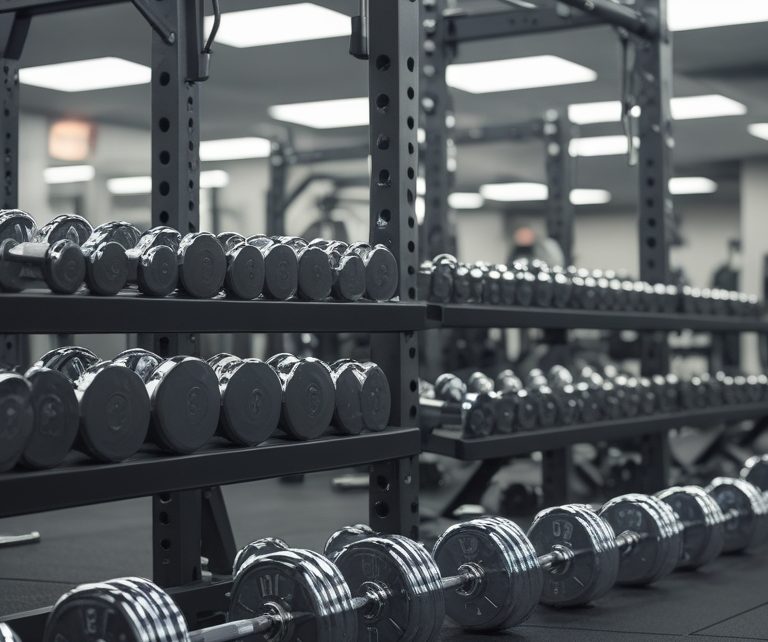
Picture a world-class gym. What do you see? It is not just about shiny machines. It is about order. It is about safety. It is about efficiency. Every piece of equipment has a purpose and a place. Now, picture the opposite. Dumbbells scattered on the floor. A tripping hazard waiting to happen. A sign of neglect. The difference between these two scenes often boils down to one critical piece of equipment: the storage system. The foundation of a professional, safe training environment is storage built for relentless, heavy use. That foundation is a commercial grade dumbbell rack.
This is not just a shelf. It is a long-term investment in your facility’s safety, organization, and professionalism. A proper weight storage system mitigates trip and fall hazards. It protects your valuable assets—the weights themselves. According to the National Strength and Conditioning Association, facility organization and safety are cornerstones of professional practice. Proper equipment management is non-negotiable for liability and member care. Source: NSCA – Facility and Equipment Guidelines.
This guide is your blueprint. We will move beyond marketing terms. We will dissect what makes a dumbbell rack truly commercial grade. You will learn how to evaluate build quality, materials, and design. Our goal is to empower you to make a smart, durable purchase that serves your facility for years.
What “Commercial Grade” Really Means – It’s an Engineering Standard for Dumbbell Rack Durability
“Commercial grade” is not a marketing buzzword. It is a specific engineering standard. It defines a product built to survive a brutal duty cycle. We are talking about 12 to 24 hours of daily use. Seven days a week. Used by everyone from beginners to elite athletes. This demands more than just sturdy looks.
True commercial fitness equipment is designed around key engineering metrics. Let’s break them down.
Cycle Testing: Endurance Over Time
It is not just about holding weight. It is about surviving the action. A commercial rack must endure tens of thousands of load and unload cycles. Each time a dumbbell is placed or removed, it creates an impact. The frame and joints absorb this energy repeatedly. Quality manufacturers test for this specific wear and tear.
Dynamic vs. Static Load Rating
This is critical. A static load rating means the weight is sitting still. A dynamic load rating accounts for force in motion. In a gym, weights are not placed gently every time. They are dropped, slammed, or angled into the rack. The structure must handle these sudden, off-center forces without bending or failing. The dynamic capacity is what matters for longevity.
Mean Time Between Failures (MTBF)
This is a reliability metric. For true commercial gear, the expected minimum lifespan is 10 to 15 years with proper care. Leading brands design with this timeframe in mind. They use materials and construction methods that ensure the product does not just last, but performs consistently. Companies like Hammer Strength engineer their products to these rigorous commercial standards. Source: Hammer Strength – Commercial Engineering.
When you see “commercial grade,” think engineering. Think tested endurance. Think about dumbbell rack durability as a measurable, designed outcome.
Material Mastery: Decoding Steel, Gauge, and Finish for a Heavy Gauge Steel Weight Rack
The soul of any rack is its material. For a commercial setting, there is one king: steel. But not all steel is equal. Understanding gauge, type, and finish is key to choosing a rack that won’t let you down.
The Steel Itself: Heavy Gauge is Non-Negotiable
A steel dumbbell rack is the only acceptable choice for the main structure. The critical measurement is “gauge.” Gauge refers to the thickness of the steel. Here is the vital point: a lower gauge number means thicker, stronger steel.
- Consumer or light-duty racks often use 12-gauge (≈2.7mm) or even 14-gauge (≈1.9mm) steel.
- True heavy gauge steel weight rack systems use 11-gauge (≈3mm) up to 7-gauge (≈5mm) for the main frame and uprights.
This extra material mass is what handles dynamic loads and resists bending. It is the foundation of rack robustness. When comparing, always ask for the exact gauge number. Do not settle for vague terms like “heavy duty.”
The Finish – Powder Coating is Paramount for a Powder Coated Dumbbell Rack
The finish is the shield. For commercial use, a thermoset powder coat is the industry standard. It is not wet paint. Here is how it works: a dry powder is electrostatically applied to the steel. The piece is then baked in an oven. The heat causes the powder to flow and cure into a uniform, durable skin.
Why is a powder coated dumbbell rack superior?
- Superior Abrasion Resistance: It stands up to constant impact and scraping from metal dumbbells.
- Enhanced Corrosion and Rust Resistance: It creates a non-porous barrier against sweat, humidity, and airborne moisture.
- Chemical Resistance: It can withstand the aggressive cleaning agents used in gyms to sanitize equipment.
According to the Powder Coating Institute, this finish provides exceptional durability and longevity, making it ideal for high-traffic environments. Source: The Powder Coating Institute – Why Powder Coat?.
Ensuring Rust Resistance: Beyond the Surface
A rust resistant dumbbell rack starts with preparation. The powder coat is only as good as what is underneath. The best manufacturing processes include:
- Surface Preparation: This often involves sandblasting or phosphate washing. It removes impurities and creates a rough surface for the coating to adhere to mechanically.
- Primer Systems: Some manufacturers use zinc-rich primers or even galvanize the steel before powder coating. This provides sacrificial cathodic protection. If the coating is chipped, the zinc reacts first, slowing rust formation.
This attention to detail is what separates commercial equipment from cheaper alternatives. It is a core part of the dumbbell rack materials comparison. Always ask about the pre-treatment process.
Construction Blueprint: Welded vs. Bolted and Structural Integrity for a Welded vs Bolted Dumbbell Rack
How the rack is put together determines its stability for life. The debate between welded and bolted construction is central to understanding quality.
The Welded vs. Bolted Showdown
Welded (MIG/TIG) Construction: The frame pieces are fused permanently at the joints using high-heat welding. This creates a single, monolithic structure. The strength of a proper weld can match the strength of the steel itself.
Advantages of Welded Frames:
- Eliminates “rack wobble” permanently.
- Provides perfect, permanent alignment.
- Has no bolts or screws to loosen from vibration.
- Is the hallmark of top-tier commercial racks and signifies superior fabrication.
Bolted Construction: The frame is assembled using nuts, bolts, and threaded connections. It is essentially a kit.
Disadvantages of Bolted Frames:
- Prone to loosening over time due to vibration and impact.
- Requires periodic re-tightening and maintenance.
- Joint integrity can be weaker than the steel, depending on bolt grade and design.
- Can develop play and squeaks over years of use.
For the main frame of a fixed commercial dumbbell rack, welded is superior. Bolted connections may be acceptable only for add-on accessories (like plate holders) or for facilitating shipping logistics for very large units. The choice directly impacts long-term dumbbell rack durability.
Hallmarks of Superior Fabrication
Look for design features that indicate robust engineering:
- Gusseted Corners: Triangular steel plates welded at joints (like where uprights meet the base). This reinforcement distributes stress and prevents flexing.
- Continuous Welds: High-quality racks use continuous welds along seams, not just sporadic tack welds. This ensures full strength across the joint.
These practices often align with standards set by the American Welding Society (AWS), which provides codes for structural welding integrity. Source: American Welding Society – Standards.
Essential Dumbbell Rack Features: Rubber Feet and Reinforced Design
Beyond the frame, smart design features protect your larger investment: your floor and your weights. These are not extras; they are essentials for a commercial setting.
Rubber Feet – More Than Just Caps for Floor Protection
High-quality rubber feet for dumbbell rack systems serve two critical functions:
- Floor Protection: A fully loaded commercial rack can weigh several thousand pounds. Rubber feet distribute this immense point load over a wider area. This prevents dents in concrete, tears in vinyl flooring, and damage to specialty gym floors.
- Stability & Vibration Dampening: They absorb the shock when weights are racked aggressively. This reduces noise, prevents the rack from “walking” or shifting over time, and provides a secure grip on the floor.
Quality feet use high-durometer (firm) rubber or polyurethane. They should be non-marking. As noted by flooring experts, protecting your gym floor from point loads is crucial for maintenance and longevity. Source: Rubber Flooring Inc. – How to Protect Your Gym Floor.
Reinforced Design and Clear Load Ratings
Every point of contact is a point of wear. Commercial racks should have:
- Reinforced Shelf Ends and Dividers: The spots where dumbbells constantly make contact should be double-walled or have steel plate reinforcements. Dividers should be made from thick steel or ultra-durable, high-impact polymer.
- Clear, Honest Weight Ratings: The rack should have a clearly stated rated capacity per shelf and a total capacity. True commercial gear is built with a high safety factor (often 3:1 or 4:1). This means if a shelf is rated for 500 lbs, it should be able to withstand 1500-2000 lbs before failure. This margin is critical for safety and durability.
The Commercial Buyer’s Evaluation Checklist for Your Dumbbell Rack
Take this actionable checklist with you when evaluating suppliers. Ask these specific questions to cut through the sales talk.
Materials & Build Quality
- What is the exact steel gauge for the main frame and shelves? (Demand a number: 11-gauge, 7-gauge, etc.)
- Is the main frame fully welded? If bolted, what grade of bolts are used, and is there a locking mechanism?
- What ASTM steel code or standard is the material sourced to?
- Are corners gusseted or otherwise reinforced?
Finish & Corrosion Protection
- Is the finish a thermoset powder coat? What is its mil thickness? (Aim for 3-5 mils minimum).
- What is the pre-treatment process? (e.g., sandblasting, zinc primer).
- What specific steps are taken to ensure rust resistance?
Design, Testing, and Capacity
- What is the rated dynamic capacity per shelf and for the total unit?
- Can you provide engineering drawings or cycle test data?
- Are the shelf ends and dividers reinforced? With what material?
Features & Warranty
- Do the feet are non-marking, floor-protecting rubber? What is the durometer rating?
- What is the warranty period? What does it specifically cover (structure, finish, welds)? (Look for 10+ years on the frame).
- Is the warranty commercial/ institutional, or is it a limited consumer warranty?
Supplier Credibility
- Do you primarily serve the commercial, institutional, or boutique fitness market?
- Can you provide references from similar facilities (universities, corporate gyms, high-end clubs)?
- Where is the product manufactured, and what quality control processes are in place?
Conclusion: The Hallmarks of a True Long-Term Investment in a Commercial Grade Dumbbell Rack
Choosing a commercial grade dumbbell rack is a decisive investment in your facility’s future. It is not a minor purchase. It is the bedrock of your free weight area. The hallmarks are clear: heavy gauge steel, a superior powder coated finish, a welded frame, and protective features like high-quality rubber feet.
Prioritizing these factors ensures exceptional dumbbell rack durability, enhanced safety, and reliable rust resistance. While the initial cost may be higher, the lifetime cost is lower. You avoid frequent replacements, constant maintenance, and potential liability issues. This investment pays dividends in professional appearance, member satisfaction, and athlete attraction.
As highlighted by industry leaders like IHRSA, investing in quality infrastructure is a key component of a successful fitness business. It reinforces your brand and supports long-term growth. Source: IHRSA – Facility Resources.
Do not compromise on the foundation of your gym’s strength. Arm yourself with the knowledge from this guide. Use the checklist. Ask the hard questions. Invest in a rack that is as serious about performance and longevity as you and your members are. Your facility—and your bottom line—will thank you for years to come.