Foam Roller Benefits: A Complete Guide to Recovery and Performance
Introduction — The Big Picture of Foam Roller Benefits
If you have ever seen a cylinder-shaped piece of foam at the gym and wondered what it is for, you are not alone. Foam roller benefits have made this simple tool one of the most popular recovery items in fitness. From professional athletes to people who sit at a desk all day, many are turning to foam rolling to help their muscles feel better and move better.
So, what makes foam rolling so special? The American Council on Exercise (ACE) explains that foam rollers help target muscle tightness and support recovery through a technique called self-myofascial release. This method is used in both rehab and athletic training settings source. The Mayo Clinic also points out that foam rollers are great tools for improving flexibility and reducing muscle soreness, making them helpful for everyone from weekend warriors to people recovering from injuries source.
In this guide, we will explore the science behind foam rolling, break down the many foam roller benefits, and answer common questions like when to use it and how to do it safely. Whether you are new to fitness or a seasoned athlete, this article will give you everything you need to know about getting the most out of your foam roller.
What Does a Foam Roller Do? — The Basics
Before we dive into all the foam roller benefits, let us start with a simple question: what does a foam roller do?
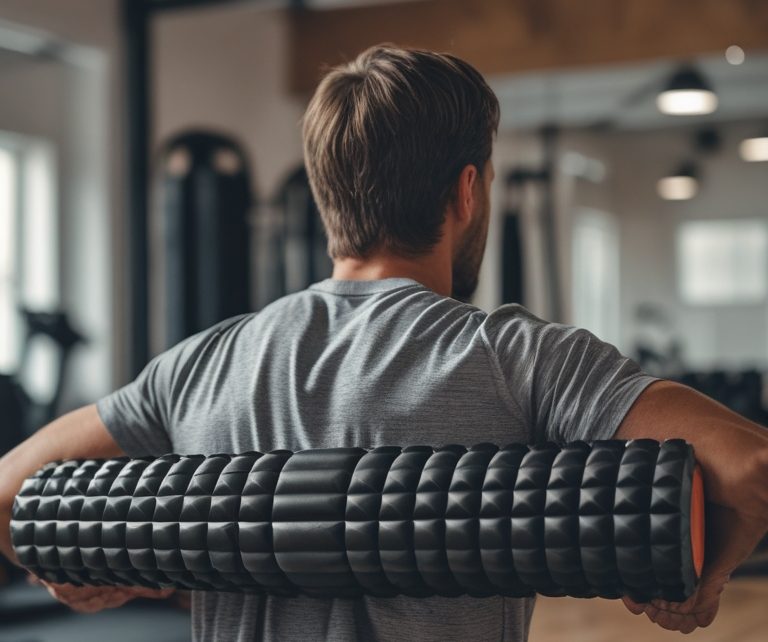
A foam roller is a cylindrical piece of foam that you use to apply pressure to your muscles, tendons, and fascia (the tissue that wraps around your muscles). Most foam rollers are made from dense materials like polyethylene foam or ethylene-vinyl acetate. They come in different levels of firmness and texture so you can choose how much pressure feels right for you.
The main job of a foam roller is simple: you roll it over your muscles to release tension and help your tissues recover. Think of it like giving yourself a massage. When you press your body weight into the roller, it works to break apart small knots and tight spots in your muscles, also known as trigger points. This action also helps blood flow to the area, which supports healing and flexibility.
The Cleveland Clinic notes that foam rollers are an easy and affordable recovery tool that can increase muscle flexibility and reduce stiffness when used correctly. The key is to use slow, steady pressure on your muscles and connective tissues source. ACE Fitness adds that foam rolling is a great way to support recovery and flexibility when done with proper technique source.
Now that you understand what does a foam roller do on a basic level, let us look at the science behind how it actually works inside your body.
How Foam Rolling Works — The Science of Self-Myofascial Release
To really understand how foam rolling works, we need to talk about fascia. Fascia is a web-like network of connective tissue that wraps around every muscle, bone, nerve, and organ in your body. Think of it like a spiderweb that holds everything together. When this tissue gets tight or develops sticky spots (called adhesions), it can limit your movement and cause discomfort.
Foam rolling is a form of self-myofascial release, or SMR. This means you are using the roller to release tension in the fascia and the muscles underneath. The myofascial release benefits are backed by science and explain why foam rolling feels so good after a long day or a tough workout.
The Golgi Tendon Organ and Autogenic Inhibition
Here is where it gets interesting. Inside your body, you have special sensors called Golgi tendon organs (GTOs). These are located in your tendons and their job is to detect tension in your muscles. When you apply pressure with a foam roller, it activates these GTOs. They send a signal to your central nervous system that says, “Hey, there is a lot of tension here. Time to relax!” This process is called autogenic inhibition, and it is one of the main reasons how foam rolling works to reduce muscle tightness.
Research published in the Journal of Bodywork and Movement Therapies shows that foam rolling helps improve tissue glide and reduces muscle stiffness by breaking down adhesions between layers of fascia. This leads to better movement, less pain, and improved muscle function source. Scientists like Schleip and colleagues have also studied how fascia responds to pressure, explaining the connection between the GTO function and muscle relaxation source.
So, when people ask how foam rolling works, the answer lies in this smart system your body already has. The foam roller simply gives your nervous system the signal it needs to let go of tightness. The myofascial release benefits include reduced muscle tension, better flexibility, and less pain from tight spots.
Comprehensive Foam Rolling Benefits
Now we get to the heart of the article. The foam rolling benefits are many, and they are supported by real science. Let us walk through each one so you can see why adding this tool to your routine is a smart move.
1. Improves Range of Motion and Flexibility
One of the most well-known foam rolling benefits is better range of motion. Studies show that foam rolling can increase how far your joints can move without losing strength. This makes it a great addition to your warm-up before exercise. MacDonald and colleagues published a study in the Journal of Strength and Conditioning Research showing that foam rolling increases joint range of motion source. This means you can squat deeper, reach further, and move more freely after foam rolling.
2. Reduces Muscle Soreness (DOMS)
Have you ever felt sore a day or two after a hard workout? That is called delayed onset muscle soreness, or DOMS. Foam rolling can help reduce that soreness. Research from Pearcey and colleagues in the Journal of Athletic Training found that foam rolling after exercise can lower how sore you feel and help you recover faster source. This is one of the top foam rolling benefits for people who exercise regularly.
3. Enhances Blood Circulation and Nutrient Delivery
When you roll on a foam roller, the pressure helps push blood through your veins and arteries. This process, called mechanical pressure, supports better blood flow to your muscles. Better blood flow means more oxygen and nutrients reach your tissues, which helps them repair and grow. Good circulation is also important for flushing out waste products that build up during exercise.
4. Speeds Up Post-Workout Recovery
Because foam rolling reduces muscle stiffness and helps your muscles relax, it can speed up how quickly you bounce back after a workout. The foam roller benefits for recovery are especially helpful if you train hard or exercise often. Instead of feeling sore for days, you can use foam rolling to feel better sooner and get back to your next workout with less stiffness.
5. Reduces Risk of Injury
When your muscles are flexible and your joints move well, you are less likely to get hurt. Foam rolling helps reduce muscle imbalances and tightness that can lead to injuries. A study by Wiewelhove and colleagues in Frontiers in Physiology looked at how foam rolling helps prevent injuries, especially in athletes source. By keeping your muscles loose and your movement smooth, you lower your chances of strains and pulls.
6. Relieves Chronic Muscle Tightness and Stress
Many people carry tension in their muscles from daily stress, poor posture, or long hours of sitting. Foam rolling can help release this chronic tightness. By working on your neuromuscular system, foam rolling helps your muscles relax and stay relaxed. This is one of the foam rolling benefits that even non-athletes can enjoy. If you sit at a desk all day, rolling out your hips, lower back, and shoulders can make a big difference in how you feel.
7. Improves Athletic Performance and Movement Quality
All of the foam roller benefits we have talked about add up to one big result: better performance. When your muscles are warm, flexible, and free of tight spots, you can move better. Your strength, agility, and overall movement quality can improve. Foam rolling helps you prepare your body to perform at its best and recover so you can do it again tomorrow.
Foam Roller Before or After Workout? — Timing Matters
A common question people ask is whether to use a foam roller before or after workout. The answer is that both are helpful, but they serve different purposes. Let us break it down.
Pre-Workout: Warm-Up and Activation
Using a foam roller before you exercise is a great way to warm up your muscles. Rolling before a workout helps increase blood flow to your muscles and reduces stiffness. This prepares your body for movement and can improve your range of motion during exercise. Think of it as waking up your muscles and telling them it is time to work.
The National Academy of Sports Medicine (NASM) recommends foam rolling before a workout as part of your warm-up routine. It helps activate your muscles and gets your body ready for the movements ahead source. Studies have also shown that foam rolling before exercise can improve performance metrics like jumping and sprinting source.
When using a foam roller before a workout, spend about 30 to 60 seconds on each muscle group. Focus on the muscles you are about to use. For example, if you are going to do leg day, roll out your quads, hamstrings, and glutes. Then follow up with some dynamic stretching to get the full benefit.
Post-Workout: Cool Down and Recovery
Using a foam roller before or after workout is both useful, but after your workout, the goal shifts to recovery. Foam rolling after exercise helps cool down your muscles by removing waste products like lactic acid. It also helps reduce soreness and supports faster recovery.
According to NASM, foam rolling after a workout can help your muscles return to their normal length and reduce tightness. This can prevent stiffness and keep you flexible for your next workout source. When you roll after exercise, take your time. Spend 60 to 90 seconds on each muscle group, using slow and steady pressure.
So, to answer the question of foam roller before or after workout: both! Use it before to warm up and after to recover. If you can only do one, choose the time that fits your needs best. If you are feeling stiff and tight, a post-workout session might be more helpful. If you want to improve your movement during exercise, pre-workout rolling is the way to go.
Practical Tips & Best Practices
Now that you understand the foam roller benefits and when to use it, let us go over some tips to make sure you are doing it safely and effectively.
Use Slow, Steady Pressure
The number one mistake people make is rolling too fast. When you rush, you do not give your muscles enough time to relax. Move slowly over each area, and when you find a tender spot, pause and breathe. Let the pressure sink in for about 20 to 30 seconds before moving on. The American Physical Therapy Association (APTA) recommends slow and controlled movements for safe foam rolling source.
Avoid Bones and Joints
Foam rolling is for soft tissues like muscles and fascia. Do not roll directly over bones, joints, or your spine. These areas are not meant to handle that kind of pressure and can be injured if you press too hard. Stick to the big muscle groups like your thighs, calves, back, and glutes.
How Long Should You Roll?
For each muscle group, aim for 30 to 90 seconds. You do not need to roll for a long time to get results. In fact, rolling for too long on one spot can cause bruising or irritation. ACE Fitness suggests that spending about one to two minutes per muscle group is enough to see the foam rolling benefits source.
When to Avoid Foam Rolling
Foam rolling is safe for most people, but there are times when you should skip it. Do not roll on areas that are acutely injured, inflamed, or have open wounds. If you have a blood clot, a fracture, or a recent surgery, talk to your doctor before using a foam roller. If something hurts in a sharp or bad way, stop immediately.
Choose the Right Roller
Foam rollers come in different types. Soft rollers are great for beginners or people who are very sore. Medium-density rollers are a good middle ground. High-density or textured rollers (like those with ridges or bumps) provide deeper pressure and are better for experienced users. Start soft and work your way up as your body gets used to the pressure.
Conclusion — Recap & Final Takeaway
The foam roller benefits are clear and well supported by science. From improving your range of motion and reducing soreness to helping you recover faster and lowering your risk of injury, foam rolling is a simple tool that can make a big difference in how you feel and perform.
We have explored what does a foam roller do at a basic level and learned how foam rolling works through the science of self-myofascial release and the Golgi tendon organ response. The myofascial release benefits include better tissue health, less muscle tension, and improved movement quality. We have also answered the question about using a foam roller before or after workout and given you practical tips to roll safely and effectively.
Whether you are an athlete looking to boost performance or someone who just wants to feel better after a long day of sitting, foam rolling can help. The key is to be consistent, use proper technique, and listen to your body.
Ready to get started? Grab a foam roller and try adding it to your routine this week. Start with your legs and back, using slow pressure for 30 to 90 seconds per area. Pay attention to how your body feels before and after. You might be surprised at how much better you move and feel with just a few minutes of rolling each day.
If you found this guide helpful, share it with a friend who could use some relief from muscle tightness. And remember, the best way to enjoy the foam roller benefits is to make foam rolling a regular part of your health and fitness routine.